
Western rock jasmine
Androsace occidentalis
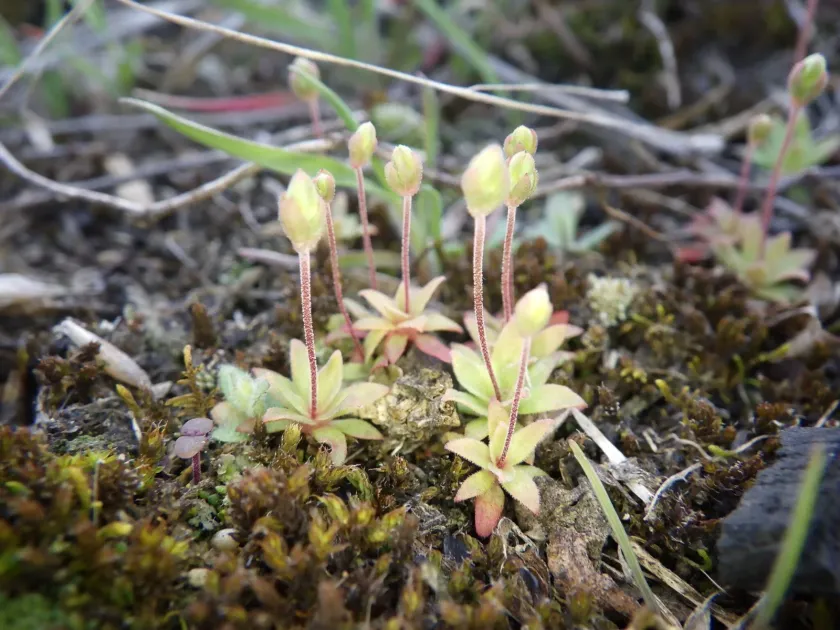
Description
Sowing dates
Western rock jasmine is an annual species that initiates growth during early spring, making the timing of sowing critical for successful establishment.
Seeds should be sown on the surface of the soil, as they require specific light conditions to trigger the germination process after the dormant period.
Fall sowing is highly recommended for this plant, as it mimics the natural cycle of seed dispersal and ensures cold-stratification during the winter months.
For uniform distribution, mixing the tiny seeds with fine dry sand before broadcasting is a standard and effective agricultural practice.
After seeding, light pressing of the soil surface ensures that the seeds are properly anchored and ready to absorb soil moisture for early development.
Growing requirements
As a member of the Primulaceae family, this plant thrives in well-drained, sandy, or gravelly soils that provide optimal aeration for its delicate roots.
The plant demonstrates a strong preference for high solar exposure and open habitats, avoiding any form of competitive shading from surrounding vegetation.
Soil pH levels should remain close to neutral or slightly alkaline, as the plant is naturally adapted to mineral-rich but low-nutrient habitats.
Climatic requirements involve stable seasonal transitions, as excessive and sudden humidity can disrupt the plant's development and flowering cycle.
Irrigation management must be precise; the plant does not tolerate waterlogging, which often leads to immediate physiological stress and potential root failure.
Main diseases and pests
The most significant threat to Western rock jasmine is the presence of fungal pathogens that proliferate in damp, poorly aerated soil environments.
Root rot remains the primary cause of plant mortality, particularly in years with prolonged spring rainfall that saturates the soil beyond the plant's tolerance.
Aphids represent the most common pest, often colonizing the stems and flower buds, which may result in stunted growth and failed seed production.
Weed interference is a major limiting factor, as the species lacks the vigor to compete with fast-growing invasive grasses or broadleaf weeds.
Integrated pest management, focusing on early identification and manual weed removal, is essential to protect the crop from environmental and biological stressors.