
Rock Jasmine
Androsace lanuginosa
Description
Sowing dates
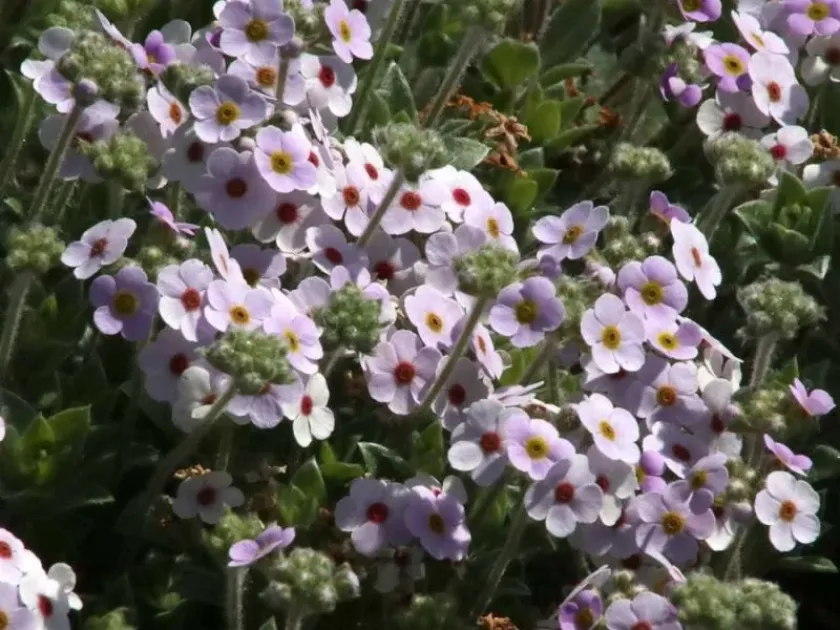
Androsace lanuginosa, commonly known as Rock Jasmine, is a charming perennial belonging to the Primulaceae family, highly valued for its silvery foliage.
Propagation is primarily achieved through seeds, which require a cold stratification period to break dormancy and ensure high germination rates for the new season.
When sowing indoors, seeds should be sown in a gritty, free-draining compost and kept in a cool environment until germination occurs after several weeks.
Young seedlings must be handled with care when transplanting, as the species develops a long taproot that dislikes being disturbed or damaged during cultivation.
Proper spacing between plants is essential to allow for adequate air circulation, which prevents the development of fungal issues in the dense foliage mats.
Growing requirements
Native to the Himalayas, this plant thrives in environments that mimic high-altitude conditions, characterized by rocky slopes and excellent natural drainage.
The soil must be lean and well-draining, as the plant is highly susceptible to root rot if grown in heavy clay or permanently damp soil conditions.
Full sun exposure is preferred to maintain the signature woolly texture of the leaves and to promote a prolific display of pink flowers during the late summer.
While tolerant of low temperatures, the plants appreciate a dry winter environment; shielding from excessive winter rain is a key component of successful cultivation.
Avoid excessive use of fertilizers; the species prefers poor, stony soils which promote a tighter growth habit and more intense, resilient leaf coloration.
Main diseases and pests
The most common threat to Rock Jasmine is grey mold, especially in areas with poor ventilation or high humidity levels that trap moisture around the crown.
Root rot is a persistent danger caused by waterlogged soil, emphasizing the need for incorporating significant amounts of grit or stone chips into the soil medium.
Pests such as aphids may occasionally congregate on the flower stems during the blooming phase, weakening the plant if left untreated for long periods.
Spider mites can become an issue during exceptionally hot and dry summers, causing leaf discoloration and reducing the overall vigor of the perennial mat.
Integrated pest management, including regular inspection and maintaining optimal dry conditions, is the best strategy for keeping the plants healthy and robust.