
Hausmann's Rock Jasmine
Androsace hausmannii
Description
Growing requirements
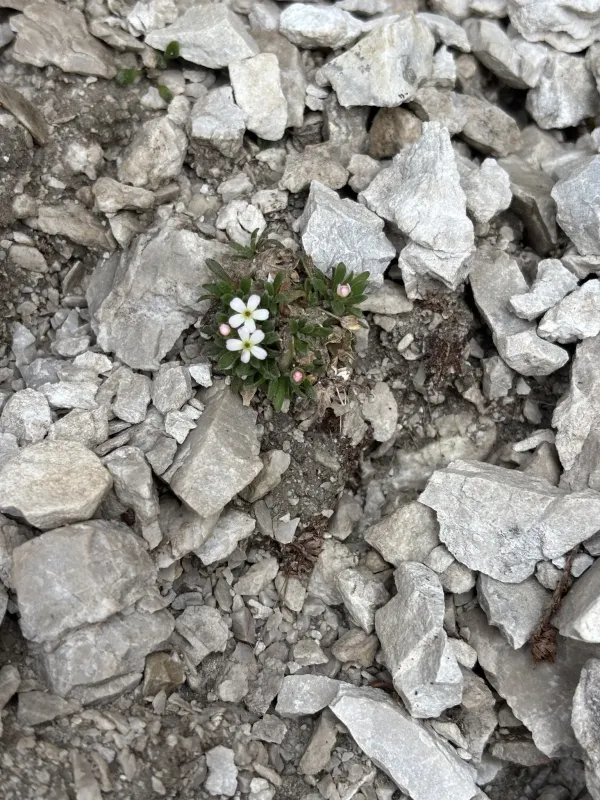
Hausmann's Rock Jasmine (Androsace hausmannii) is a perennial herbaceous plant belonging to the Primulaceae family. Native to the Eastern Alps, it is a high-altitude species that thrives on limestone crevices and rocky screes, demonstrating a remarkable ability to survive in nutrient-poor environments.
The botanical structure of this plant features compact, cushion-like rosettes. These dense formations are an evolutionary adaptation to the harsh, windy, and cold environment of the alpine zone, helping the plant conserve moisture and withstand the weight of persistent snow cover during winter.
Successful cultivation requires strict adherence to alpine conditions. The soil must be highly inorganic, consisting of gravel, grit, and limestone chippings to ensure rapid drainage. Any organic enrichment should be minimal, as the species is adapted to lean, infertile rocky substrates.
Regarding climatic needs, Androsace hausmannii prefers cool temperatures and good air circulation. In a garden setting, it is best suited for north-facing rock gardens or alpine houses where the roots can stay cool while the foliage receives bright, indirect light to prevent heat stress during the summer months.
The primary use of this plant is in specialized alpine gardening and rockery design. It is considered a specialty plant for enthusiasts who have the expertise to maintain the specific micro-environmental conditions required to keep these rare high-mountain specimens healthy over several seasons.
Main diseases and pests
The main threats to the health of Hausmann's Rock Jasmine are fungal diseases, particularly rot that occurs if the root crown is exposed to stagnant moisture. Excessive humidity around the foliage during non-growing seasons can cause the cushion to deteriorate rapidly.
While the plant is relatively resistant to pests, infestations of spider mites can occur in dry, stagnant air conditions. Maintaining a proper flow of fresh, cool air is the most effective preventative measure against both biological pests and physiological decline in this sensitive alpine crop.