
Fairy candelabra
Androsace filiformis
Description
Sowing dates
Androsace filiformis is an annual plant belonging to the Primulaceae family. It typically follows a winter annual life cycle, germinating in the autumn and establishing a basal rosette before the onset of winter.
Spring growth is characterized by rapid development immediately after the snow melts. The plant quickly enters its flowering phase, which is an evolutionary adaptation to avoid competition with taller agricultural crops.
Seed production is prolific, with individual plants capable of releasing hundreds of seeds. These seeds can remain viable in the soil for several years, creating a persistent seed bank that requires consistent management.
Optimal germination conditions include cool temperatures and high soil moisture. Early spring tillage is a primary method for eliminating seedlings before they transition into the reproductive stage.
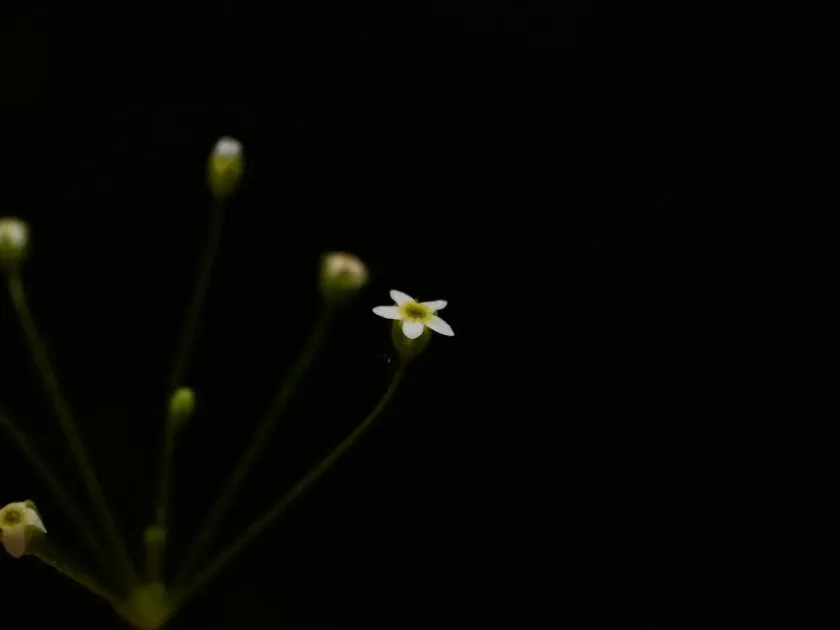
The botanical structure is delicate, featuring thread-like flower stalks, which gives the plant its distinct appearance and common name. Understanding this cycle is crucial for effective agronomic planning.
Growing requirements
Androsace filiformis thrives in moist, open environments. It frequently colonizes field edges, disturbed soils, and areas with poor drainage where other plant competition is minimal.
The plant demonstrates a preference for soils with moderate to high moisture retention. While it does not require specialized fertilization, it benefits from the presence of organic matter in the topsoil layer.
Climatic requirements are focused on cool, moist spring weather. Extreme heat and drought are detrimental to the plant, often leading to early senescence and reduced seed production.
Management practices should focus on mechanical disruption of the top soil layer. Shallow cultivation is highly effective at controlling young seedlings while avoiding the disturbance of deeper soil layers.
Competition for light is the most significant factor in controlling this plant. Thick, dense crop canopies effectively suppress growth and development by reducing light penetration to the soil surface.
Main diseases and pests
Common diseases affecting the species include fungal infections, particularly those that thrive in waterlogged conditions. Leaf spots and root rots can impede plant growth if humidity remains excessively high.
Pests such as aphids may congregate on the inflorescences, feeding on plant sap. While this can reduce the energy available for seed production, it rarely serves as a complete biological control measure.
Soil-dwelling insects can cause damage to the root system, particularly in the seedling stage. However, the plant's rapid maturation often allows it to complete its cycle despite light infestation.
Herbicidal control requires the use of broad-spectrum products that are registered for use in the specific crop being grown. Careful timing is necessary to ensure success during the vulnerable early-growth stages.
Preventative measures are essential, including the use of certified seed lots to prevent the spread of contaminated grain. Long-term rotations and crop diversity remain the best defense against infestation.