
Androsace chamaejasme
Androsace chamaejasme
Description
Growing requirements
Androsace chamaejasme, commonly known as rock jasmine, belongs to the Primulaceae family. It is a perennial herbaceous plant native to the alpine and arctic regions, often found in rocky, nutrient-poor environments where it survives harsh climatic conditions.
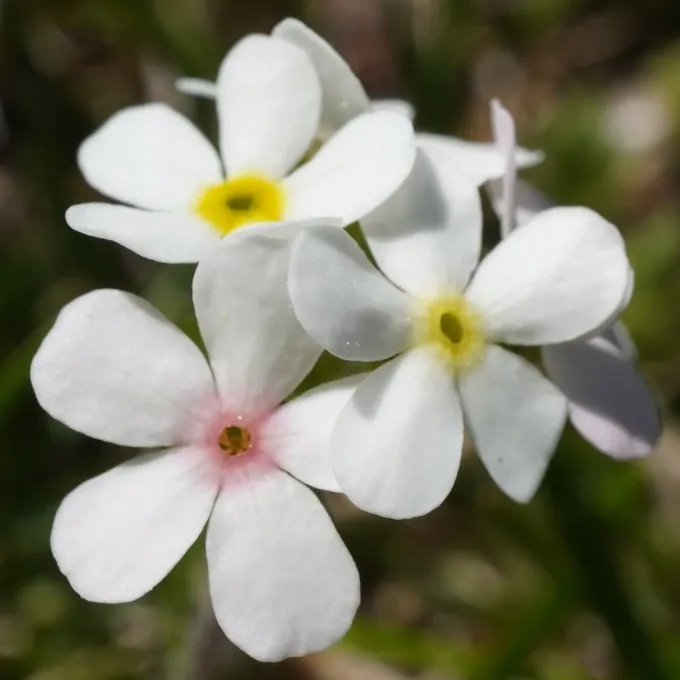
Botanically, it is characterized by a compact, cushion-forming growth habit. The leaves are arranged in basal rosettes and are usually ciliate. The small, delicate flowers are produced in umbels, displaying colors ranging from white to pink and occasionally deep rose.
In terms of soil requirements, this plant strictly needs well-drained, gritty, and mineral-rich substrates. It thrives in soils with low organic content, as rich soils encourage lanky growth and make the plant highly susceptible to fungal rot.
Successful cultivation requires environmental conditions that mimic high-altitude habitats. A position in full sun is ideal, but the plant must be protected from extreme humidity and stagnant water, especially during the dormant season.
The agricultural or horticultural use of this plant is primarily ornamental. It is a prized specimen for alpine houses, scree gardens, and rock walls. Due to its sensitivity to climatic conditions, it is not grown for mass agricultural production but remains a specialty crop.
Main diseases and pests
The most significant threats to Androsace chamaejasme are fungal infections, primarily root and crown rots caused by excessive moisture. Proper drainage is the primary defense mechanism against these lethal pathogens.
Pests such as aphids and spider mites can occasionally affect the plants, particularly when they are kept in overly warm or poorly ventilated spaces. These pests can weaken the plant, leading to stunted growth and reduced flowering.
To mitigate the risk of disease, growers should avoid overhead watering. Moisture trapped in the dense rosettes of the plant is a primary catalyst for fungal development and rapid tissue decay during the spring and summer months.
Excessive nitrogen fertilization is another threat to the health of rock jasmine. It encourages rapid, soft growth that is more attractive to sucking insects and more vulnerable to environmental stress and opportunistic fungi.
Regular monitoring of the foliage and the immediate removal of any yellowing or decaying rosettes are essential for maintaining a healthy cushion. Providing a layer of coarse grit or gravel around the base of the plant acts as a vital protective barrier.