
Androsace albana
Androsace albana
Description
Growing requirements
Androsace albana, known as a type of rock jasmine, belongs to the Primulaceae family. This herbaceous perennial is highly prized in horticulture for its compact, cushion-forming habit, making it a perfect candidate for alpine and rock gardens.
Originating from the mountainous regions of the Caucasus and Asia Minor, this plant is naturally adapted to high-altitude environments. It thrives in crevices and rocky substrates, where it develops deep roots to survive in nutrient-poor conditions.
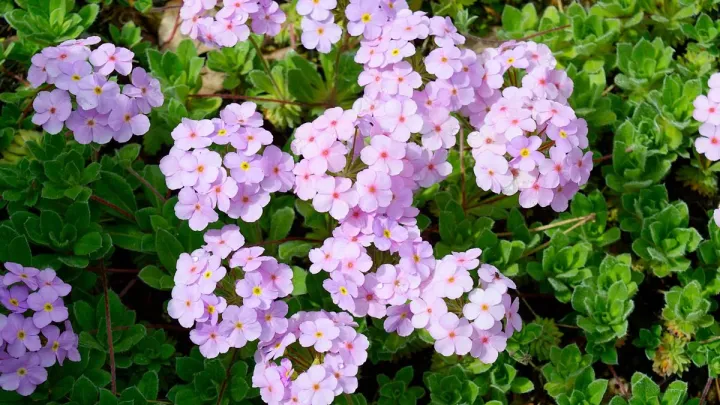
Botanically, it features rosettes of small leaves and clusters of delicate flowers, typically white or pinkish. The plant's slow-growing nature and symmetrical form contribute to its status as a decorative staple for enthusiasts of high-altitude flora.
Cultivation requires specific soil conditions: it must be lean, gritty, and exceptionally well-drained. The presence of clay or organic-rich garden soil often leads to failure, as the plant cannot tolerate moisture retention around its crown.
Climatically, it prefers cool conditions with bright, indirect sunlight. It is essential to simulate its natural rocky habitat by providing a scree bed or a well-drained container, ensuring that the crown remains dry at all times.
Main diseases and pests
The primary threat to the health of Androsace albana is root and crown rot, primarily caused by excessive humidity. Proper drainage is the most effective preventative measure against these fungal pathogens.
Pests such as aphids or spider mites can occasionally affect the rosettes, particularly if the plant is grown in poor ventilation. Regular inspection and the application of mild horticultural oils or targeted pesticides can mitigate these infestations.
Competition from weeds is another significant factor in cultivation. Because the plant is slow-growing, it can be easily overwhelmed by vigorous garden weeds, requiring constant manual maintenance and cleaning of the surrounding area.
Winter care is crucial to prevent "dampening off" during thaw cycles. Applying a top dressing of fine gravel or grit around the base of the plant helps keep the foliage away from wet soil, significantly reducing the risk of rot.
By maintaining a strict watering regimen and ensuring excellent airflow, most disease-related issues can be completely avoided, allowing the plant to reach its full life expectancy.