
Androsace adfinis
Androsace adfinis
Description
Growing requirements
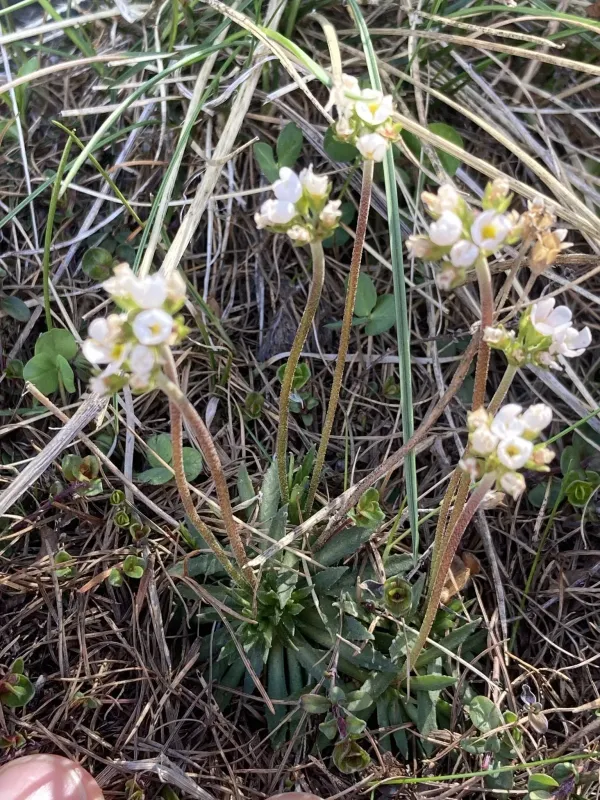
Androsace adfinis is a perennial herbaceous plant belonging to the Primulaceae family. This low-growing species occurs naturally in the high-mountain regions of Europe, having adapted specifically to the harsh environmental conditions found in alpine meadows and rocky screes.
Botanically, the plant is characterized by the formation of dense cushions or rosettes, which provide protection against strong winds and extreme temperature fluctuations. The leaves are frequently covered in fine hairs, an adaptation that helps conserve moisture and reduces transpiration rates in the thin, dry mountain air.
Successful cultivation of this crop requires well-drained, nutrient-poor stony or sandy soils with a neutral to slightly acidic pH level. The plant is extremely sensitive to waterlogging, particularly during the winter months, making the presence of high-quality drainage an essential factor for long-term survival.
The crop has high light requirements, favoring open, sunny locations without any overhead shade. In lowland gardening conditions, the plant must be placed in alpine rock gardens or specialized rockery setups that mimic the natural high-altitude environment of its native range.
The economic and practical use of Androsace adfinis is strictly limited to decorative gardening and landscape design. Thanks to its unique texture and the ability to form dense mats of delicate, small flowers, it is highly prized by collectors of rare alpine plants for use in rock garden displays.
Main diseases and pests
The primary threat to the health of Androsace adfinis is root rot, typically caused by water stagnation in the substrate or excessively high air humidity. To prevent disease, mulching the root collar with fine gravel is recommended, as this eliminates direct contact between the leaves and the damp soil.
Among pests, spider mites and aphids pose the greatest danger, as they often infest young rosettes during prolonged dry spells. Upon detecting the first signs of insect activity, specialized insecticides and acaricides should be applied, carefully following dosage guidelines for delicate alpine cultures.
The plant may suffer from suffocation during snowless winters with rapid temperature changes. The use of protective coverings helps stabilize the thermal regime in the root zone, preventing the death of cushions caused by the cycle of repeated freezing and thawing of the ground.
Weeds significantly impact the ornamental value of the plant, as they quickly overwhelm the slow-growing Androsace. Hand weeding is the primary method of control, as the use of herbicides can be fatal to the plant due to its high sensitivity to chemical compounds.
Proper agronomic practice is vital for maintaining the plant's immunity: the use of fresh manure or high-concentration mineral fertilizers is strictly forbidden. It is preferable to use complex micro-fertilizers in very low doses, which helps strengthen the plant's cell walls and overall resilience.