
Paeonia mascula
Paeonia mascula
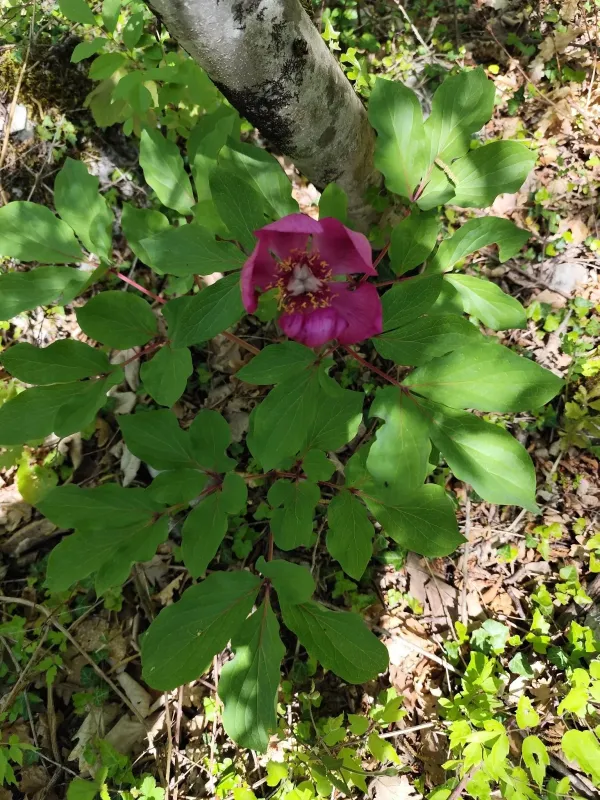
Description
Sowing dates
Paeonia mascula is typically propagated through division of the rootstock, which is the most reliable method for maintaining plant vigor. This procedure should be performed during the plant's dormant phase, ideally in late August or early September.
Seeds of the male peony can be sown, but they require a complex process of stratification to break dormancy. Success with seed propagation often takes several years, as the seeds need to experience warm and cold cycles before germination occurs.
When planting divided tubers, proper depth is critical for future blooming. The eyes (growth buds) should be set no deeper than 5 centimeters below the soil surface to ensure the plant directs energy into flower formation rather than just foliage.
Allow ample space between individual plants, typically between 80 and 100 centimeters. This spacing is vital to ensure proper air movement, which significantly reduces the risk of fungal infections within the dense leaf canopy.
After transplanting, water the root zone thoroughly to settle the soil around the tubers. Applying a layer of organic mulch helps retain soil moisture and stabilizes the temperature during the plant's first season in a new location.
Growing requirements
As a member of the Paeoniaceae family, Paeonia mascula thrives in temperate climates. It is native to regions spanning from Southern Europe to the Near East, where it is found in light woodlands and mountain meadows.
The plant requires a sunny position, although it can tolerate partial shade during the hottest parts of the day. A location receiving at least 6 hours of direct sunlight is generally sufficient to encourage healthy flower bud development.
Soil quality is paramount; this species demands fertile, well-drained loamy soils. It will not tolerate waterlogged conditions, which lead to root rot; therefore, providing good drainage or planting on a slight slope is highly recommended.
While the species is hardy, it benefits from protection against strong, drying winds. During the early spring, new shoots are susceptible to frost damage, so keep an eye on local forecasts during the emergence phase.
Regular fertilization with a balanced, slow-release fertilizer during the active growing season supports the plant's health. Avoid high-nitrogen fertilizers in late summer, as this encourages excessive leaf growth at the expense of root development.
Main diseases and pests
Botrytis, or gray mold, is the primary threat to Paeonia mascula, especially during wet springs. This fungus targets stems and buds, resulting in unsightly lesions that can compromise the entire plant's health.
Rust infections, indicated by brown or orange powdery spots on the foliage, are another common concern. To control this, remove affected leaves immediately and improve air circulation to dry out the canopy quickly.
Pests such as ants, aphids, and nematodes can occasionally cause problems. While ants are often attracted to the sweet nectar on the buds and are not inherently harmful, they can sometimes carry aphids, which damage the plant.
Sanitary practices are the best defense against threats. Cutting back all dead foliage to the ground in late autumn is a vital step in reducing the overwintering population of pathogens that cause disease.
- Remove decaying debris from the garden.
- Use copper-based fungicides if infections appear.
- Avoid overhead watering to keep leaves dry.
- Monitor for early signs of pest infestations.