
Emodi peony
Paeonia emodi
Description
Growing requirements
The Emodi peony (Paeonia emodi) is a herbaceous perennial belonging to the Paeoniaceae family. Originating from the western Himalayas, this species is typically found in forested mountain regions, thriving in cool, shaded conditions.
This crop requires fertile, well-draining soil that is rich in organic matter. Proper drainage is essential for this species, as it is highly susceptible to root rot if waterlogged conditions are maintained for extended periods.
Regarding climate, the plant prefers temperate conditions with cool summers. Unlike many other peonies, Paeonia emodi performs exceptionally well in partial shade, making it a perfect plant for woodland gardens or shaded borders.
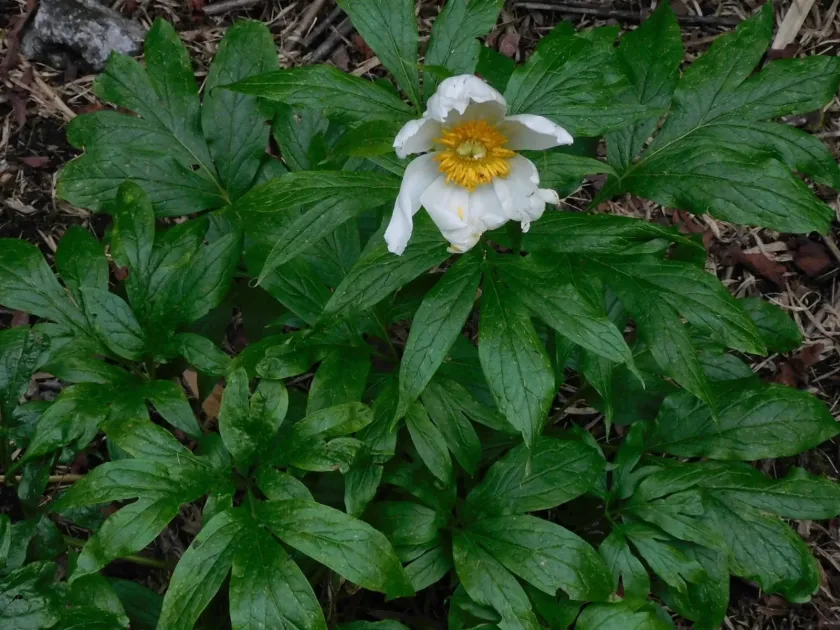
Botanically, it is distinguished by its early flowering habit and elegant, deeply dissected foliage. The plant usually reaches a height of 60–90 cm, producing pure white flowers with a central cluster of yellow stamens that provide significant ornamental value.
In terms of usage, the Emodi peony is highly valued in horticulture for its early blooming season and unique appearance. It serves as an excellent choice for landscape designers who specialize in shade-loving plant collections and high-end gardens.
Main diseases and pests
The primary threats to Paeonia emodi include fungal pathogens such as Botrytis (gray mold). This disease is particularly prevalent in humid and poorly ventilated conditions, leading to stem collapse and bud decay.
Root rot is another significant concern caused by improper soil moisture management. It is crucial to monitor irrigation levels, especially during warmer months to prevent the crown of the plant from staying constantly wet.
Common pests that affect this species include aphids, which colonize young shoots, and thrips, which may damage the surface of developing buds, leading to unsightly deformities.
Management of diseases relies heavily on cultural practices, such as removing all foliage in the fall and ensuring adequate spacing between plants to allow for airflow, complemented by fungicide applications when necessary.
Pest management focuses on early detection. Regularly scouting the garden during the growing season helps to address small infestations before they cause damage, keeping the plant healthy and fully decorative throughout the spring.