
Cryptopus elatus
Cryptopus elatus
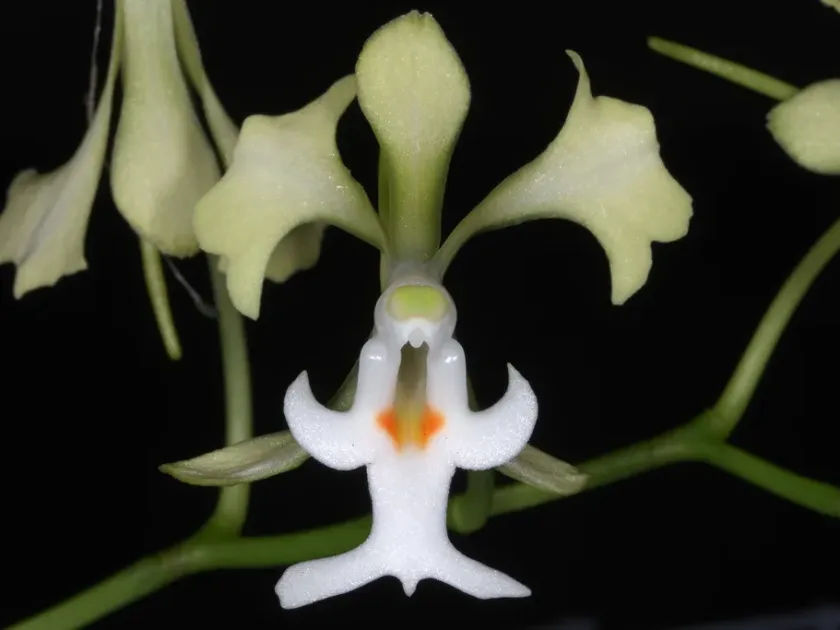
Description
Growing requirements
Cryptopus elatus is an epiphytic orchid belonging to the Orchidaceae family. It is natively found in the tropical regions of Madagascar, where it thrives in humid environments at various altitudes within the rainforest canopy.
As an epiphyte, this plant does not require traditional soil; instead, it relies on its aerial roots to anchor onto trees and absorb moisture and nutrients from the surrounding atmosphere and organic debris.
Optimal growth conditions for Cryptopus elatus include consistently high humidity levels and a moderate, stable temperature range that mimics its natural tropical habitat throughout the year.
When cultivated in a greenhouse or indoor setting, it is essential to use a highly aerated growing medium, such as specialized orchid bark, to ensure proper airflow around the root system.
Light intensity should be filtered or diffused. Direct sunlight must be avoided, as it can severely damage the foliage, leading to dehydration and necrosis of the plant tissues.
Main diseases and pests
The primary threats to this species are fungal infections, which often occur when stagnant air and excessive moisture in the substrate prevent proper drying cycles.
Common pests such as mealybugs and spider mites can infest the plant, particularly if the humidity is too low or the orchid is stressed by improper environmental conditions.
Bacterial soft rot is a serious risk if water is allowed to sit in the leaf axils or if the root system is subjected to waterlogging for extended periods.
Weakened plants are highly susceptible to secondary infections, which is why maintaining strong plant health through balanced light and airflow is the best preventative strategy.
Growers should monitor the plant closely for signs of discoloration or wilting, addressing any issues immediately with appropriate sanitation and adjusted care practices.