
Aerangis gravenreuthii
Aerangis gravenreuthii
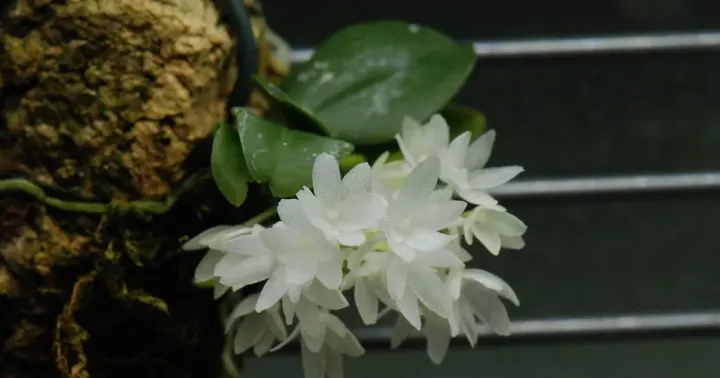
Description
Growing requirements
Aerangis gravenreuthii is a fascinating epiphytic orchid belonging to the Orchidaceae family. Native to the mountainous rainforests of Cameroon, it has evolved to thrive in high-altitude environments where cool, moist conditions prevail throughout the year.
For successful indoor cultivation, it is essential to mimic its natural habitat. The plant requires moderate temperatures, ideally ranging between 18°C and 25°C. Excessive heat stress can inhibit its growth and lead to premature dehydration of the leaves.
High relative humidity, ideally between 70% and 85%, is crucial for the health of Aerangis gravenreuthii. In home environments, this is best achieved using humidifiers or by placing the plant in a climate-controlled greenhouse or display case.
Proper aeration is the most important factor in the growth of this species. It should be mounted on cork bark slabs or grown in open-slatted baskets. Traditional potting soil is detrimental and will lead to rapid root decay due to poor gas exchange.
The lighting requirements for this orchid involve bright, indirect light. It should never be exposed to harsh midday sun, as this will scorch the leaves and permanently damage the plant's photosynthetic tissue. Filtered light under a canopy or through sheer curtains is preferred.
Main diseases and pests
Fungal rots are the primary threat to Aerangis gravenreuthii, typically triggered by standing water in the leaf axils or insufficient airflow. Ensuring that the roots and foliage dry out within a few hours after watering is key to prevention.
Common pests include scale insects and mealybugs, which tend to hide in the joints of the leaves. Manual removal combined with the application of neem oil or mild insecticidal soaps is generally effective for control without harming the plant.
Spider mites may become an issue if the ambient humidity drops below the recommended threshold. Regularly misting the area around the plant and keeping it healthy makes it less susceptible to these microscopic pests.
Nutrient toxicity can occur if the plant is over-fertilized or if water quality is poor. Using a very weak, balanced fertilizer solution once or twice a month during the active growing season is sufficient to support plant development.
Routine inspection of the root system is advisable. Healthy roots should be firm and have active, green tips; brown, mushy roots indicate that the watering regimen needs adjustment to prevent further decline.