
Synnotia
Synnotia
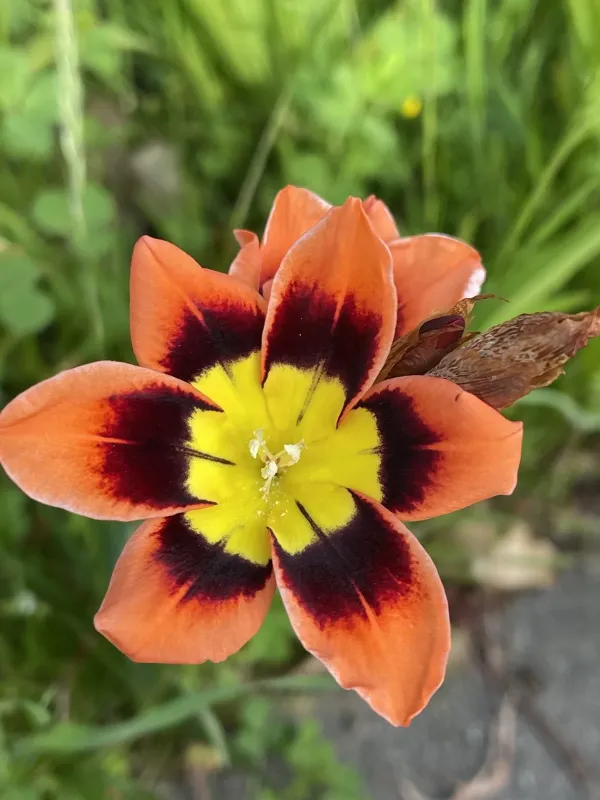
Description
Sowing dates
Synnotia is primarily propagated through corms, which should be planted into the soil in early spring once temperatures consistently reach 10–12 degrees Celsius.
In regions with mild winters, autumn planting is possible, which encourages earlier spring flowering but necessitates adequate protection against deep soil frost.
When propagating via seeds, sowing should be done in prepared seed trays during late winter, maintaining a stable temperature of approximately 20 degrees Celsius.
The planting depth for the corms should be between 5 and 8 centimeters, ensuring that the base is positioned downwards to facilitate proper root establishment.
Proper spacing between plants, generally 10–15 centimeters apart, is essential to prevent overcrowding and ensure adequate airflow around the foliage.
Growing requirements
Synnotia belongs to the Iridaceae family and originates from South Africa, thus requiring bright, sunny locations to thrive and produce high-quality blooms.
The plants prefer well-draining, light soil compositions with a neutral to slightly acidic pH, as stagnant water poses a severe risk of corm rot.
During the active growing phase, regular but moderate watering is required, particularly as the flower spikes begin to emerge from the base.
The ideal temperature range for Synnotia is between 18 and 25 degrees Celsius; the plants are not frost-hardy and must be protected from cold snaps.
Balanced fertilizers with a low nitrogen ratio are recommended to promote healthy flower development rather than excessive, unproductive green leaf growth.
Main diseases and pests
The primary threats to Synnotia include fungal infections such as Fusarium wilt and grey mold, which are often exacerbated by poor drainage and humidity.
Common pests like thrips and spider mites can severely impact plant health, especially during hot and dry spells, necessitating proactive monitoring and care.
Treating corms with a systemic fungicide before planting is a standard agronomic practice to safeguard against soil-borne pathogens and ensure successful germination.
Maintaining a weed-free environment around the base of the plant reduces the risk of pest infestation and minimizes competition for essential soil nutrients.
In the event of viral symptoms, characterized by leaf mottling or deformation, affected plants must be culled and disposed of to protect the rest of the collection.
Harvesting
The harvesting of corms occurs once the aerial parts of the plant have withered and turned brown, signaling that dormancy has been achieved.
After excavation, the corms should be cleaned of soil and debris, taking care to preserve the outer layers, which protect the storage tissue during winter storage.
Corms must be dried in a well-ventilated, shaded area for several days to ensure excess moisture is removed, preventing fungal development during storage.
Storage should be conducted in a cool, dry place with temperatures between 5 and 10 degrees Celsius, preferably using dry peat or sand as packing material.
Periodic inspection of stored corms throughout the winter season is vital to identify and discard any decaying material before it affects the healthy stock.