
Sparaxis
Sparaxis Ker Gawl.
Description
Sowing dates
Sparaxis (Sparaxis Ker Gawl.), commonly known as wand flowers, belongs to the Iridaceae family and is native to the winter rainfall regions of South Africa. As a cormous perennial, it is primarily propagated by planting corms in early spring once the risk of frost has passed.
For optimal results, corms should be planted at a depth of 5–8 cm in well-drained soil. Spacing is crucial for plant health; maintaining a distance of 10–15 cm between plants prevents overcrowding and ensures adequate airflow around the foliage.
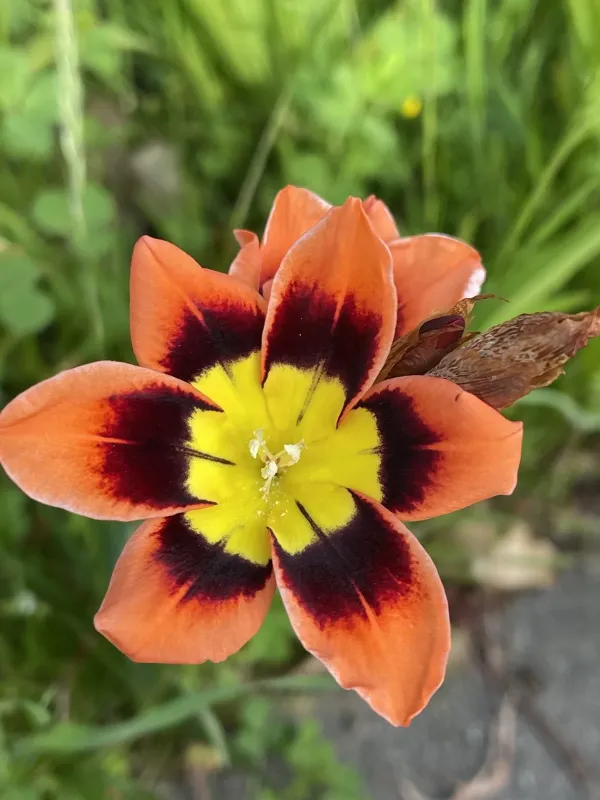
Selection of the planting site is paramount. Sparaxis requires full sun exposure to flourish and develop its vibrant, multicoloured blooms. Sites with poor light often result in leggy plants and reduced flower production.
While seed propagation is possible, it is a slower process, typically reserved for professional breeders or enthusiasts. Seeds are sown in trays during late winter in a greenhouse, and young plants are transplanted to the garden once they reach sufficient maturity.
Prior to planting, it is highly recommended to treat corms with a systemic fungicide. This simple prophylactic step significantly reduces the risk of soil-borne pathogens attacking the plant during the critical establishment phase.
Growing requirements
Sparaxis thrives in light, sandy, or loamy soils that possess excellent drainage characteristics. The plant is highly intolerant of waterlogged soil, which leads to the rapid onset of rot, making drainage the most critical factor in its successful cultivation.
The irrigation strategy should focus on consistency. While the plants require regular moisture during their active growing phase, the soil must be allowed to dry slightly between waterings to maintain the health of the corms and root system.
Nutritional management is essential for long-term plant vigor. A balanced NPK fertilizer applied during the early growth stage supports leaf development, while a high-phosphorus and potassium feed is necessary as the plants approach their flowering period.
Weed control is necessary throughout the growing season to minimize competition for nutrients and water. Mulching can be used, provided it does not retain excessive moisture around the base of the stems, which might invite fungal growth.
In colder regions, Sparaxis is treated as a tender bulb. Once the foliage begins to yellow at the end of the season, the corms should be lifted, cleaned, and stored in a cool, dry place with good ventilation until the next planting cycle.
Main diseases and pests
The most significant threat to Sparaxis is fungal infection, specifically those affecting the root and basal plates of the corms. These issues are almost exclusively linked to overwatering or poor soil drainage, necessitating careful management of the local environment.
Insect pests, particularly thrips, are a major concern. These tiny insects damage both foliage and floral buds by piercing the plant tissue and sucking the sap, leading to stunted or distorted growth that ruins the aesthetic value of the crop.
Aphids represent a secondary but persistent threat. Beyond causing direct tissue damage, they act as vectors for various plant viruses, including mosaic viruses, which are difficult to manage once established in a planting bed.
Cultural practices, such as removing debris and ensuring proper spacing, are the first lines of defense. When chemical intervention is required, systemic insecticides or fungicides should be applied according to local agricultural guidelines to minimize environmental impact.
- Root rot — triggered by excessive soil moisture.
- Thrips — major pest affecting flower quality.
- Aphids — sap-sucking insects and virus vectors.
- Basal rot — caused by dormant moisture accumulation.