
Sisyrinchium
Sisyrinchium hybrids
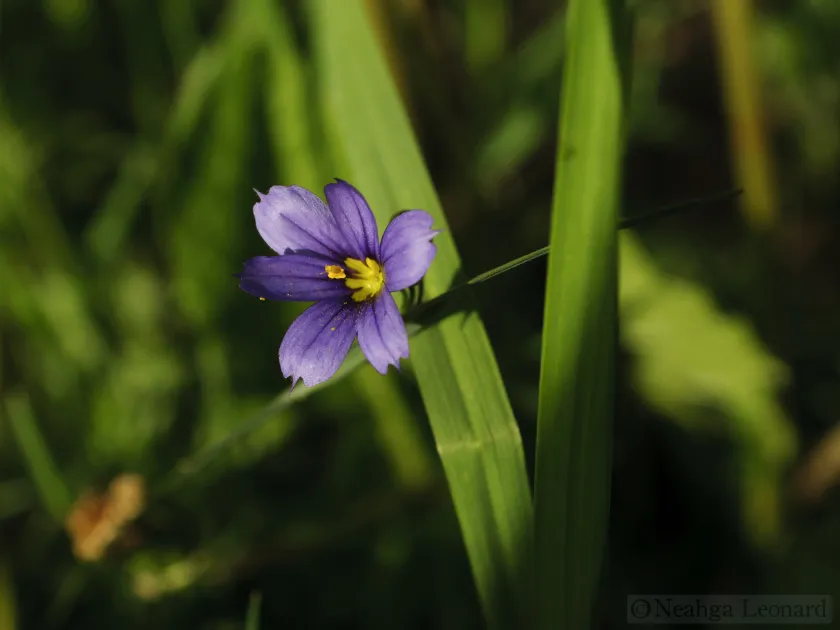
Description
Sowing dates
Sisyrinchium, a member of the Iridaceae family, is a versatile herbaceous perennial known for its distinctive grass-like foliage and star-shaped flowers.
Seeds should be sown in early spring or in the autumn to undergo natural stratification, which significantly improves germination rates for this perennial crop.
When starting indoors, use a well-draining seed-starting mix and maintain a consistent temperature of 18–20°C until the seedlings emerge from the soil.
Seedlings develop slowly, so patience is required; ensure they receive plenty of bright, indirect light to prevent legginess during the early growth stages.
Transplanting into the garden should occur once the risk of frost has passed, ensuring each plant has adequate space to develop its root system and foliage.
Growing requirements
The plant thrives in full sun locations, although it can tolerate partial shade in warmer climates where the afternoon sun is excessively intense for delicate flowers.
Soil should be light, sandy, or loamy, with excellent drainage capabilities to prevent root rot, which is the most common cause of failure in this culture.
Watering practices should be balanced; keep the soil consistently moist but never waterlogged during the active growth season from spring through mid-summer.
Moderate fertilizing with a balanced liquid fertilizer in the spring helps promote healthy leaf growth and supports the development of numerous flower buds.
Maintenance tasks include mulching to suppress weed growth and regular deadheading, which helps the plant concentrate energy on producing healthy foliage.
Main diseases and pests
Sisyrinchium is generally robust, but it can be susceptible to fungal diseases such as leaf spots or root rots if soil moisture levels remain too high for extended periods.
Adequate spacing is crucial to prevent stagnant air conditions that encourage the development of mildew or other fungal pathogens within the plant clumps.
Pests like slugs and snails are the primary threats, particularly in moist and shady garden environments, where they can skeletonize the thin, grass-like leaves.
Effective management strategies include manual removal of pests and the application of organic barrier methods around the base of the plants to protect them.
In cases of severe infestation or disease, systemic fungicides and appropriate pesticide applications can be used, though preventative care is always preferred.