
Chilean blue-eyed grass
Sisyrinchium chilensis
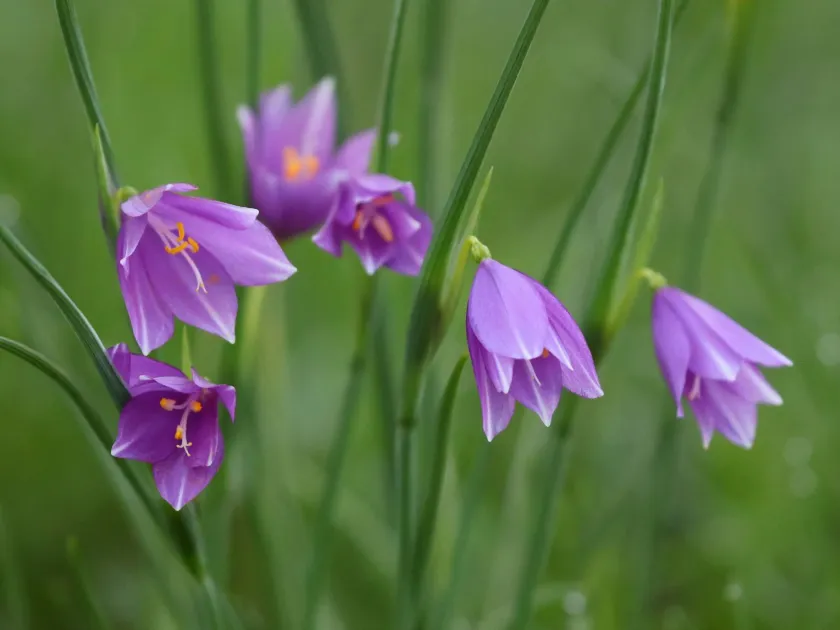
Description
Sowing dates
Sisyrinchium chilense, a member of the Iridaceae family, is a delicate perennial native to the regions of Chile and surrounding areas.
Propagation is primarily achieved through seeds, which should be sown in the spring once the soil temperature is consistently above 15°C.
For optimal germination results, seeds should undergo a cold stratification period of 4 to 6 weeks to break dormancy effectively.
When starting seeds indoors, use well-draining seed-starting mix and provide consistent moisture without allowing the medium to become waterlogged.
Transplanting to the garden should occur once the danger of frost has passed, ensuring the plants are spaced appropriately to allow for air circulation.
Growing requirements
This species thrives in full sun, requiring at least six hours of direct sunlight daily to produce high-quality blooms and strong stems.
The soil must be well-drained, preferably sandy or loamy; heavy clays should be amended with organic matter and grit to prevent root rot.
Watering should be managed carefully; while the plants appreciate moist soil during the growing season, they are sensitive to excessive humidity.
Neutral to slightly acidic soil conditions are ideal for nutrient uptake, helping the plant maintain its vibrant green foliage throughout the season.
Mulching with a light layer of gravel or pine needles can help suppress weeds and maintain consistent soil temperature without retaining too much moisture.
Main diseases and pests
Root rot is the most significant threat to the health of the plant, usually caused by overwatering or poor drainage in the planting area.
Fungal leaf spot diseases can appear during periods of high humidity, necessitating proper spacing to ensure adequate ventilation between plants.
Slugs and snails often feed on the tender young leaves, particularly during the early spring or in locations with high moisture levels.
Aphids might colonize the flowering spikes, which can be managed with insecticidal soaps or by encouraging natural predators in the garden.
Regular monitoring of the foliage and prompt removal of dead or diseased tissue are essential practices for maintaining a healthy and vigorous stand.