
Chilean blue-eyed grass
Sisyrinchium chilense
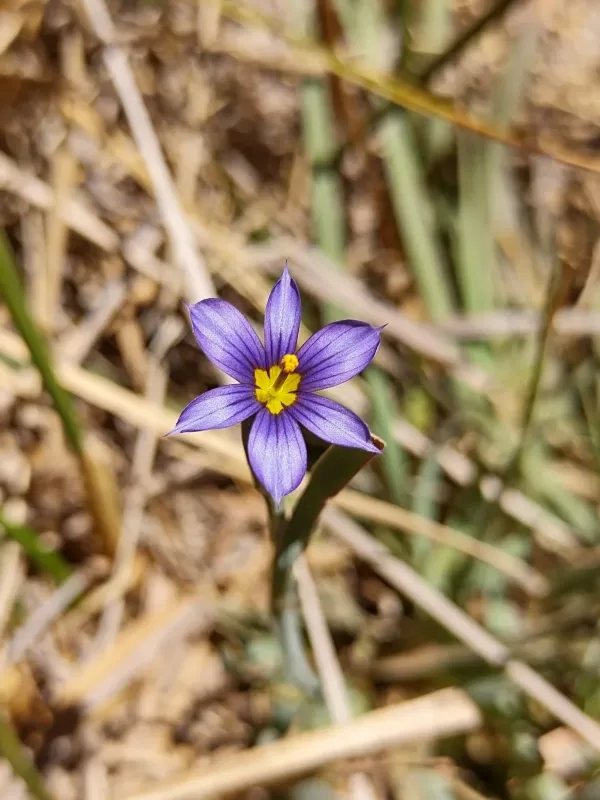
Description
Sowing dates
Sowing of Chilean blue-eyed grass seeds is ideally performed during the early spring once soil temperatures reach a stable, warm range of 15 to 18 degrees Celsius.
A period of cold stratification for 4-6 weeks prior to sowing significantly enhances germination rates by breaking the natural dormancy of the seeds.
Seeds should be lightly pressed into the soil surface, as they require sufficient light exposure to initiate the physiological processes necessary for sprouting.
Transplanting seedlings to their final location should be done carefully to avoid disturbing the sensitive root system, ensuring they are spaced about 15-20 cm apart.
Vegetative propagation via root division is best executed during the dormant season, which allows the plants to establish themselves before the onset of intense heat.
Growing requirements
Chilean blue-eyed grass is a perennial herbaceous plant belonging to the Iridaceae family, recognized for its vibrant blue-violet flowers and grass-like foliage.
The plant thrives in full sun exposure, although it exhibits a high degree of adaptability in partial shade, particularly in regions characterized by scorching summer temperatures.
Well-draining, sandy or loamy soils are essential for the health of this species, as it is highly susceptible to root damage caused by prolonged waterlogging.
Maintaining a neutral to slightly acidic soil pH level provides the optimal environment for nutrient uptake, promoting vigorous growth and sustained flowering periods.
While the plant is relatively hardy, it benefits from a protective layer of mulch in colder climates to insulate the crown against freezing temperatures during the winter months.
Main diseases and pests
The most significant threats to Chilean blue-eyed grass involve fungal infections, which are often exacerbated by poor ventilation and excessively high humidity levels.
Root rot represents a major challenge in cultivation, frequently occurring in heavy soils that do not provide adequate drainage for the plant's delicate root structure.
Common pests such as spider mites and thrips may infest the foliage, leading to discoloration and a significant reduction in the plant's overall aesthetic value.
Implementing a strict sanitation program, including the removal of dead or decaying plant debris, is essential for mitigating the spread of airborne and soil-borne pathogens.
Chemical control measures should be used judiciously, prioritizing biological agents that are effective against targeted pests while minimizing harm to beneficial garden insects.