
Blue-eyed grass
Sisyrinchium bellum
Description
Sowing dates
Propagation of Sisyrinchium bellum is most successful through sowing seeds in autumn or early spring after a period of cold stratification. This process ensures high germination rates by breaking the seed's dormancy naturally or via controlled refrigeration.
When starting indoors, use a well-draining seed-starting mix in late winter. Keep the trays in a cool, bright location. Once the seedlings develop their first true leaves, they should be carefully pricked out into individual pots to avoid root disturbance.
Transplanting to the permanent garden spot is best done in late spring once all dangers of frost have passed. Space the plants about 15–20 cm apart to ensure proper air circulation, which is vital for preventing fungal issues during the early growth stage.
Division of mature clumps is another effective propagation method. Every three to four years, lift the plants in early spring, divide the rhizomes into smaller sections, and replant them immediately into enriched, moist soil to ensure rapid re-establishment.
Success depends on maintaining a consistent moisture level until the plants are well-established. Newly transplanted specimens may require temporary shading during the hottest parts of the day until their root systems are fully adapted to the local environment.
Growing requirements
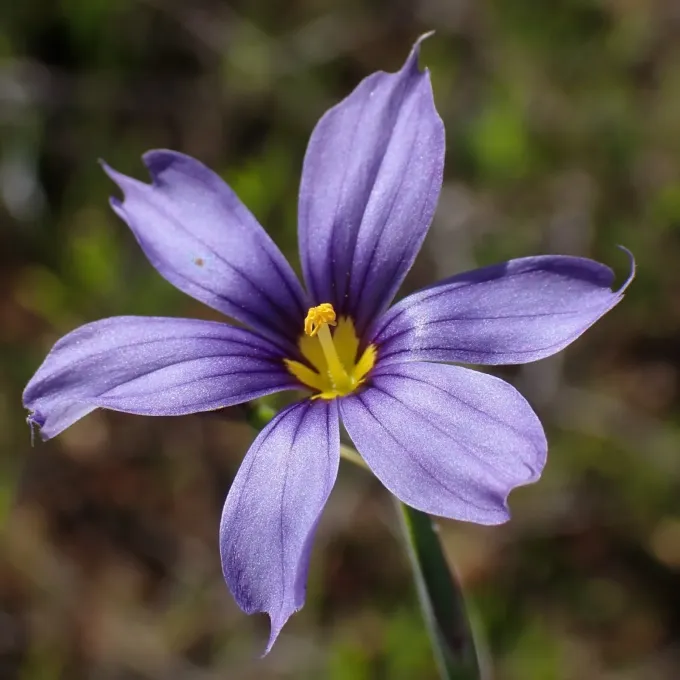
Sisyrinchium bellum, a member of the Iridaceae family, is a versatile herbaceous perennial native to California. It thrives in open, sunny locations where it can form dense, attractive clumps of grass-like foliage adorned with purple-blue flowers.
The plant demands well-drained soil with a neutral to slightly acidic pH. Heavy, waterlogged soils are detrimental to its root health, so incorporating sand or fine grit is essential if the native soil is predominantly clay or tends to retain excess moisture.
While the plant enjoys full sun, it can tolerate partial shade in hotter climates, which helps preserve its vibrant flower color and prevents leaf scorch. Moderate watering is necessary, especially during the peak flowering season in late spring and early summer.
Climatic requirements involve a temperate cycle with cool winters and warm summers. Sisyrinchium is relatively cold-hardy, but in regions with harsh winters, a light layer of organic mulch will protect the crown of the plant from freeze-thaw damage.
Fertilization should be kept to a minimum. A light application of a balanced, slow-release fertilizer in early spring is usually sufficient to support growth and flowering without promoting weak, leggy stems that would require support.
Main diseases and pests
The primary threat to Sisyrinchium bellum is root rot, which typically stems from poor soil drainage or excessive watering. Keeping the soil friable and ensuring rapid water runoff are the most effective preventive measures against this condition.
Slugs and snails are common pests that find the succulent foliage highly appealing. In damp gardens, these pests can strip a plant overnight, so using copper tape or organic slug baits around the perimeter is recommended to maintain plant integrity.
Aphids can occasionally cluster on the flower stalks during the early spring bloom. While usually not fatal, severe infestations can stunt growth, so a gentle wash with an insecticidal soap or a strong spray of water can easily manage the population.
Maintaining a clean garden bed by removing leaf litter and weeds reduces the hiding spots for pests and improves overall airflow. Pruning back spent flower stems after blooming helps the plant redirect energy toward root health and next season's foliage.
- Monitor for slug damage during wet weather.
- Avoid over-mulching directly against the base.
- Ensure 6–8 hours of sunlight per day.
- Clean tools to prevent accidental disease spread.