
Taochian Iris
Iris taochia
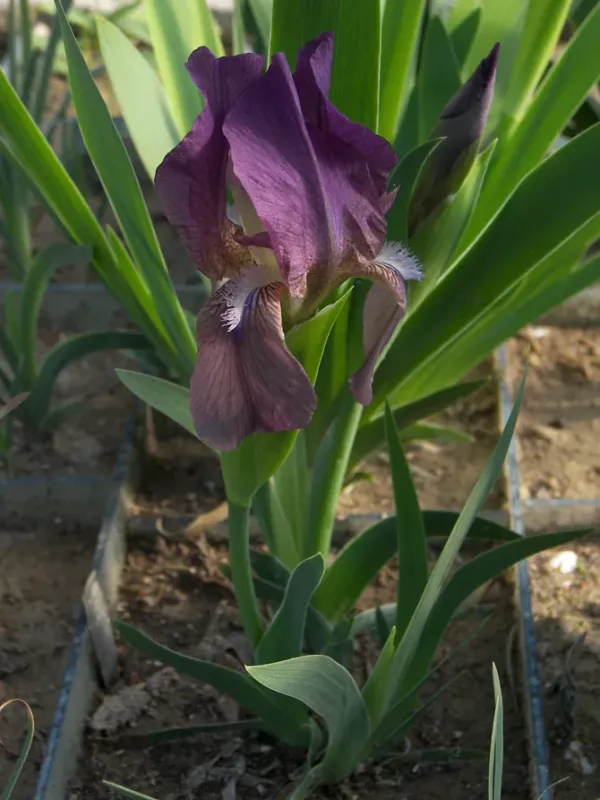
Description
Growing requirements
The Taochian Iris (Iris taochia) is a perennial herbaceous plant belonging to the Iridaceae family. Native to the mountainous regions of Turkey, this species has evolved to thrive in harsh, high-altitude conditions, characterized by rocky terrain and distinct seasonal weather patterns.
For successful cultivation, the Taochian Iris requires full sun exposure and excellent drainage. It is highly sensitive to moisture accumulation; therefore, it is best suited for rock gardens or slopes where water can flow away from the root system, preventing the development of root rot and associated pathogens.
The soil profile should be light, gritty, and relatively infertile, mirroring its natural alpine habitat. A substrate composed of sandy or rocky components is ideal, as it ensures proper aeration and prevents the heavy, compact soil structure that can cause physiological stress to this iris species.
Regarding climate requirements, the plant is hardy and adapted to cold winters and dry, warm summers. In cultivation, it is important to simulate this cycle by reducing supplemental watering during the dormant summer period to encourage healthy rhizome maturation before the onset of the cold season.
The primary use of the Taochian Iris is ornamental, specifically for specialized gardens, rockeries, and botanical collections. Due to its specific ecological requirements and limited distribution, it is highly sought after by enthusiasts and horticulturists focused on preserving and showcasing rare iris species.
Main diseases and pests
The primary threats to the Taochian Iris are fungal infections of the rhizome, typically triggered by improper watering regimes or poor soil drainage. Managing soil moisture is the most effective preventative measure against these debilitating conditions.
Common pests include iris borers and root-feeding larvae that can compromise the structural integrity of the plant. Maintaining clean gardening practices and monitoring for early signs of infestation are essential for the long-term health and survival of this rare plant species.