
Fragrant iris
Iris suaveolens
Description
Growing requirements
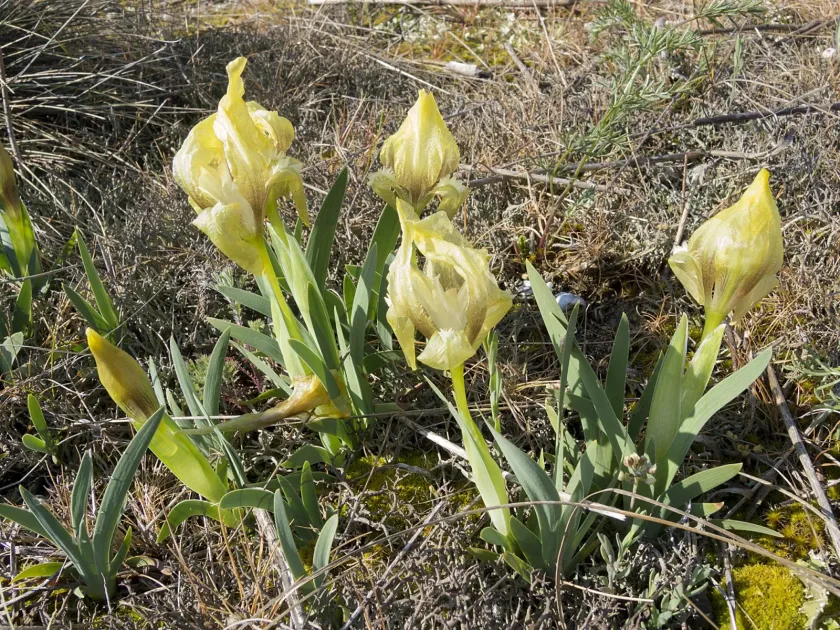
Fragrant iris (Iris suaveolens) is a low-growing perennial species belonging to the Iridaceae family. Native to the Balkan Peninsula and Turkey, it naturally inhabits dry, rocky slopes and open environments where it receives significant exposure to sunlight.
The botanical structure of the plant consists of a compact rhizome and narrow, sickle-shaped leaves. Its characteristic feature is the sweet, distinctive scent of the flowers, which makes it a highly prized cultivar in botanical collections and private gardens worldwide.
The plant requires well-drained, sandy, or stony soils with a neutral to slightly alkaline pH. Proper aeration is crucial to prevent the accumulation of moisture near the rhizome, which is the primary cause of decline for this species in managed gardens.
Cultivation should prioritize full sun exposure to ensure vigorous blooming and disease prevention. The Fragrant iris is naturally adapted to continental climates, possessing high winter hardiness, provided that the growing medium is kept relatively dry during the dormancy period.
Economically, the plant is utilized as an ornamental crop in landscape design. It is particularly valued for rock gardens, container planting, and xeriscaping due to its ability to thrive in conditions where other ornamental flowers might struggle due to limited water.
Main diseases and pests
Bacterial soft rot is the most serious disease threatening Fragrant iris. This condition is triggered by excessive soil moisture and poor drainage, causing the rhizomes to decay rapidly. Careful irrigation and site selection are the best preventative measures against this threat.
The iris borer is a notable insect pest that can compromise the plant's health by tunneling into the rhizomes. Regular inspection of the foliage for signs of damage or larvae entry is recommended to initiate pest control early in the growing season.
Fungal leaf spot diseases may appear during periods of high humidity or excessive rainfall. While these diseases rarely kill established plants, they significantly reduce the aesthetic value of the foliage and should be treated with appropriate systemic fungicides.
Root rot, caused by various soil-borne pathogens, often occurs when plants are grown in heavy or compacted clay soils. Improving soil structure with grit or coarse sand is essential for successful cultivation in non-native soil types.
To ensure long-term health, growers should remove dead foliage in late autumn to prevent fungi from overwintering. Dividing the clumps every few years also helps rejuvenate the plants and prevents overcrowding, which often leads to poor air circulation.