
Squalid iris
Iris squalens
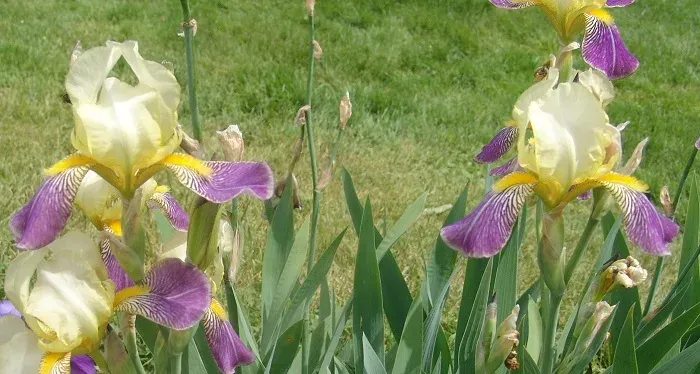
Description
Growing requirements
The Squalid iris (Iris squalens) is a hardy perennial belonging to the Iridaceae family. This species is historically significant as it represents a complex group of hybrids that served as the primary genetic base for many modern bearded iris varieties.
Its botanical structure features robust, creeping rhizomes that allow the plant to establish itself firmly in garden borders. The foliage consists of sword-shaped, glaucous leaves that form an elegant, fan-like architecture throughout the growing season.
Successful cultivation requires full sun exposure and soil that provides excellent drainage. Because this species is highly susceptible to rhizome rot when roots are saturated, raised beds or sloped planting sites are often recommended for better moisture management.
The ideal soil for this crop is neutral to slightly alkaline, enriched with compost to maintain fertility. It thrives in well-aerated conditions, meaning that soil compaction should be strictly avoided to ensure proper root respiration.
Regarding climate, the plant is remarkably adaptable to various temperate zones. While it tolerates periodic dryness, supplemental irrigation during the peak budding stage enhances both flower size and overall plant vigor.
Main diseases and pests
Bacterial soft rot is the most serious threat, particularly in damp or poorly drained soils. Infected rhizomes must be excavated, cleaned of decayed tissue, and allowed to heal in the sun to stop the progression of the bacteria.
The iris borer is a destructive pest that tunnels through the leaves down into the rhizome, potentially killing the plant. Periodic monitoring of leaf bases for eggs and early damage is essential for integrated pest control.
Thrips can also infest the flower buds and foliage, leading to discolored and deformed blooms. Early treatment with systemic insecticides can effectively protect the developing flower stalks from damage.
Leaf spot, a fungal infection often appearing after wet springs, can cause unsightly browning. Sanitation, specifically removing and destroying dead foliage in the autumn, is the best cultural practice to prevent outbreaks.
In addition to pests and diseases, competition from vigorous weeds can weaken the iris stands. Regular shallow weeding is recommended, as deep cultivation might inadvertently damage the shallow root system.