
Spuria iris
Iris spuria
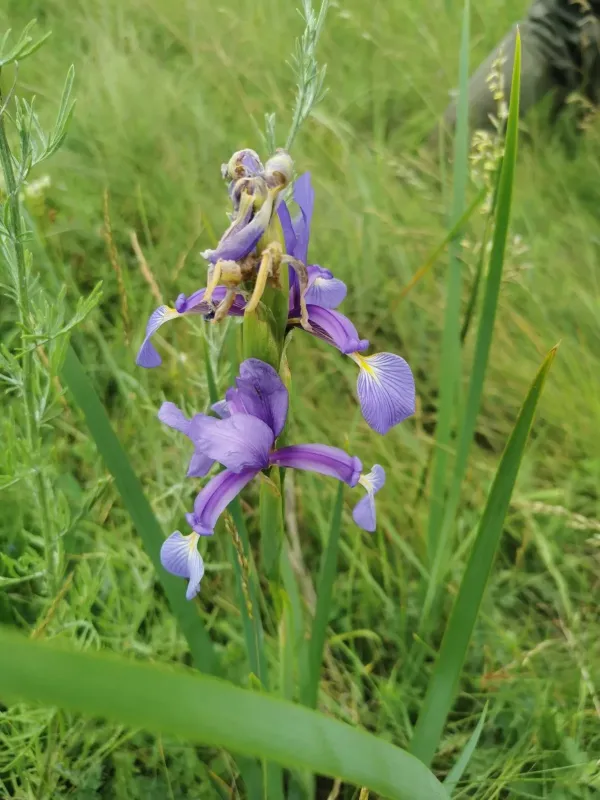
Description
Sowing dates
Sowing seeds of Iris spuria is best conducted in the autumn, as the seeds require a natural period of cold stratification throughout the winter months to break dormancy.
When starting seeds indoors, they should be kept at near-freezing temperatures for at least 4 to 6 weeks to ensure a high germination rate in the spring.
Vegetative propagation is the most common method, involving the division of established clumps in late summer, once the plants have entered a post-flowering dormancy phase.
When planting divisions, it is essential to leave adequate space between the rhizomes to accommodate the rapid lateral growth characteristic of the Spuria iris species.
Ensure the soil is finely tilled and moist during the establishment phase, as the young rhizomes require consistent hydration to develop a robust root system before the first frost.
Growing requirements
Spuria iris is a member of the Iridaceae family, widely recognized for its architectural beauty and resilience across various temperate climatic zones.
The plant thrives in full sun exposure, which is necessary for vigorous growth and the production of its signature tall, elegant flower stalks.
It prefers deep, fertile, loam-based soils with a near-neutral pH level, ensuring good drainage is present to prevent the rhizomes from rotting during the winter.
Unlike some other iris species, Iris spuria exhibits remarkable drought tolerance once established, though it responds well to supplemental irrigation during the spring growing season.
The species is known for its excellent winter hardiness and does not typically require protective covering, making it a low-maintenance choice for temperate landscapes.
Main diseases and pests
Bacterial soft rot is the most serious threat to this crop, typically triggered by poor drainage, excessive soil moisture, or deep planting of the rhizomes.
Fungal leaf spot diseases may appear during periods of high humidity and poor ventilation, causing brown lesions that weaken the photosynthetic surface of the leaves.
Pests such as iris borers and thrips can cause significant damage to the floral buds and stems, necessitating regular monitoring during the active growth period.
Root-knot nematodes can also be a problem in certain soils, leading to stunted plant growth and overall decline if the infestation is not managed properly.
Effective management strategies include maintaining proper spacing, avoiding over-fertilization with nitrogen, and promptly removing and destroying infected plant debris.
Harvesting
In a horticultural context, the harvest of Iris spuria is primarily focused on the collection of mature seeds and the lifting of rhizomes for division and sale.
Seed pods should be harvested once they turn brown and dry but before they naturally split open to release the seeds into the surrounding environment.
Rhizome divisions are harvested during the dormant season, which allows for minimal stress on the plant and optimal recovery for the replanted segments.
After lifting, the rhizomes should be cleaned of loose soil, inspected for disease, and trimmed of damaged root tips before being replanted or stored in a cool, dry place.
For ornamental floral production, flower stems are typically harvested when the terminal bud begins to show color, ensuring the blooms open fully in indoor conditions.