
Forked Iris
Iris perrieri
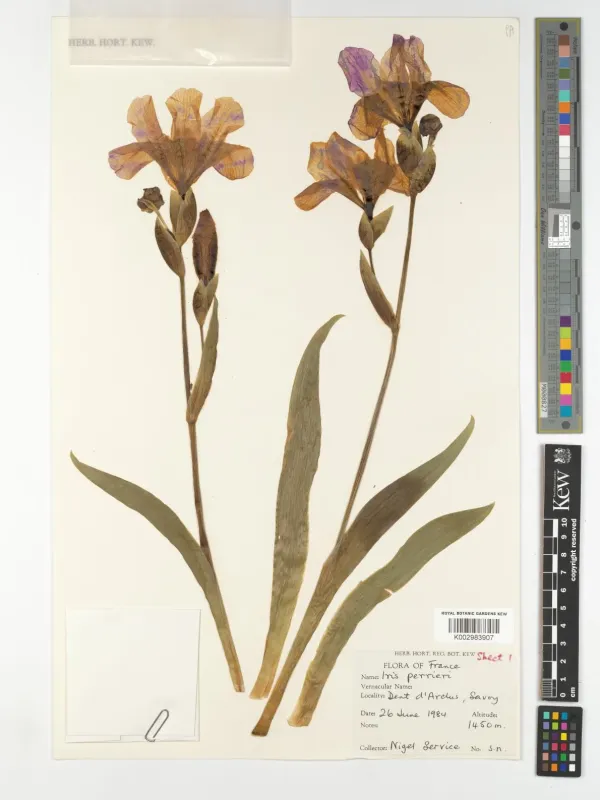
Description
Sowing dates
The Forked Iris (Iris furcata) is a herbaceous perennial belonging to the Iridaceae family. This species is recognized for its robust growth habit and adaptability, making it an excellent choice for both commercial landscape projects and private gardens.
Vegetative propagation via rhizome division is the preferred method for ensuring genetic consistency. The best time for this operation is immediately after the flowering period, allowing the rhizomes to establish themselves in the soil before the onset of winter dormancy.
If starting from seeds, ensure they undergo a cold stratification period. Sowing seeds in autumn allows them to experience natural winter conditions, which is crucial for breaking dormancy and achieving uniform germination in the spring.
Selection of the site is critical; the plants thrive in areas receiving full sun, which is necessary for optimal rhizome development and flower production. Ensure that the planting site has adequate spacing to prevent overcrowding and allow for efficient airflow.
When planting, place the rhizome so that the top surface remains slightly exposed to the sun. This positioning promotes warming of the buds and reduces the risk of rot, which is a common issue in poorly managed iris beds.
Growing requirements
This culture requires well-drained, fertile soil with a neutral to slightly alkaline pH. Drainage is paramount, as waterlogged conditions quickly lead to rhizome decay, which is the most common cause of crop failure in this species.
The Forked Iris exhibits high winter hardiness, making it suitable for a wide range of climatic zones. However, providing a thin layer of organic mulch during the first winter after planting can help protect young rhizomes from extreme temperature fluctuations.
Watering should be moderate, focusing on the period from spring emergence through the end of the flowering phase. During hot, dry spells, water should be applied directly to the base of the plant to keep the foliage dry and healthy.
Regular soil cultivation around the plant base is necessary to maintain proper oxygen levels in the root zone. This practice helps prevent soil compaction and ensures that moisture does not remain trapped around the rhizome surface.
Fertilization should be limited to the early spring growth stage. Using a balanced fertilizer with lower nitrogen content supports healthy leaf development without compromising the plant's ability to produce flowers in the following season.
Main diseases and pests
The most significant threat to the Forked Iris is soft rot (bacterial infection) of the rhizome. This usually occurs in wet conditions or through entry points created by pests. Management involves removing and destroying infected sections and improving drainage.
Common pests include the iris borer and various moth larvae, which can damage the stems and roots. Preventive control using systemic insecticides during the early growth season is effective in reducing the risk of significant infestation.
Foliar diseases, such as leaf spot (Heterosporium), can occur during periods of high humidity. Maintaining good ventilation and removing old, dead foliage at the end of the season are essential cultural practices for preventing these issues.
Monitoring the planting site regularly is necessary to detect early signs of pest damage or fungal spots. Early intervention prevents the spread of pathogens throughout the planting area, ensuring long-term plant health.
Crop rotation is recommended if a planting site has experienced previous disease issues. Avoid planting irises in areas where other rhizomatous or bulbous plants have previously shown signs of persistent fungal or bacterial infections.