
Pamphylian iris
Iris pamphylica
Description
Growing requirements
The Pamphylian iris (Iris pamphylica) belongs to the Iridaceae family and is a rare species of bulbous iris belonging to the subgenus Hermodactyloides. It originates from the southern regions of Turkey, where it naturally inhabits rocky mountain slopes and sparse woodlands.
This species is well-adapted to a Mediterranean climate, characterized by cool, wet winters and dry, warm summers. For successful cultivation, growers must provide excellent drainage, as the bulbs are highly susceptible to rot during their summer dormancy period.
The ideal soil for this iris is sandy, well-draining, and neutral to slightly alkaline. Incorporating inorganic materials like gravel or perlite into the planting site is essential to prevent water stagnation in the root zone.
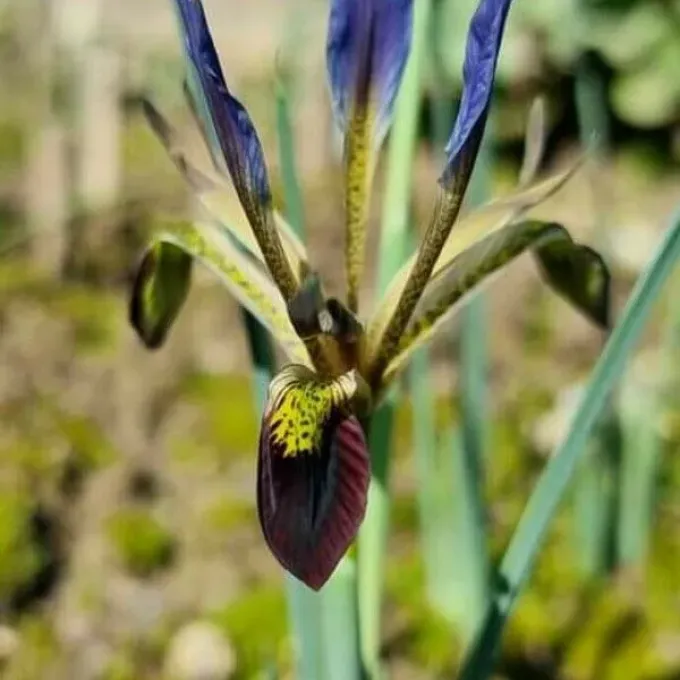
Botanically, the plant is distinguished by its stunning flowers, featuring dark brown or near-black falls and pale blue or lavender standards. The plants are relatively short, typically emerging early in the season to take advantage of available spring moisture.
While not a traditional agricultural commodity, the Pamphylian iris holds significant value in decorative horticulture and botany. Its cultivation is primarily limited to specialized nurseries, botanical gardens, and private collections dedicated to rare geophytes.
Main diseases and pests
The main threats to the health of this culture include fungal infections such as Fusarium wilt and various bulb rots, which often develop in poorly drained soils.
Common pests affecting the species include soil-dwelling insects like wireworms and root aphids, which can compromise the structural integrity of the bulb.
Effective management requires the application of preventive fungicide treatments on bulbs prior to planting to ensure a disease-free start to the season.
Cultural control, particularly careful irrigation management and selecting sites with natural slopes, remains the most effective strategy against moisture-related pathogens.
Monitoring the growth area for signs of stunted development or leaf discoloration helps in the early detection and isolation of potentially infested plants.