
Palestine iris
Iris palaestina
Description
Growing requirements
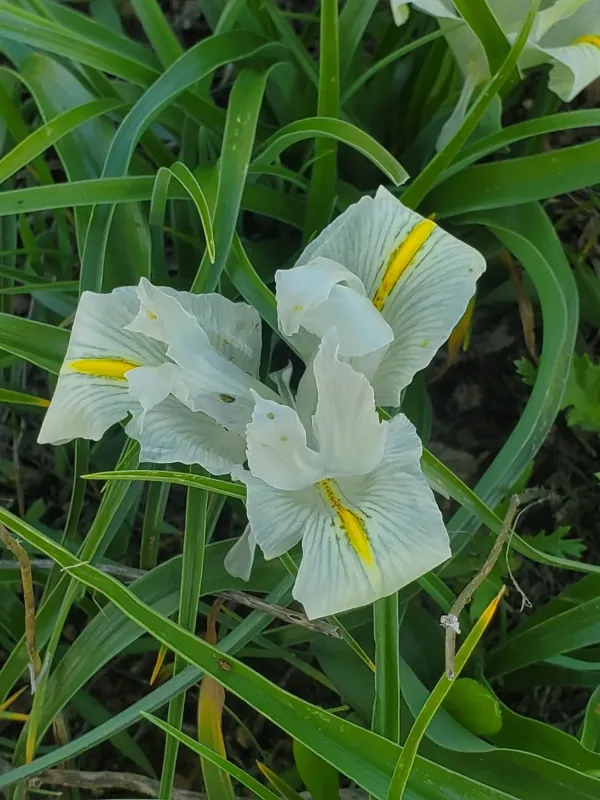
The Palestine iris (Iris palaestina) belongs to the Iridaceae family. It is a bulbous perennial plant native to the Levant region, specifically found in Israel, Palestine, Lebanon, and parts of Syria.
The plant thrives in rocky slopes and open, sunny environments where it is well-adapted to the Mediterranean climate. It prefers a seasonal pattern of cool, moist winters followed by hot, dry summers when the bulb remains dormant.
Soil requirements are critical for this species. To succeed in cultivation, growers must provide excellent drainage. A gritty, sandy soil mix is essential to prevent bulb rot, which is the most significant challenge when introducing this species to non-native gardens.
Environmental conditions should mimic its natural habitat. The plant requires maximum sunlight exposure to stimulate growth and flowering. It is not cold-hardy and requires protection from hard frosts and excessive rainfall during winter months.
Regular irrigation should be avoided during the summer dormancy phase. Keeping the bulbs dry during this period is a fundamental rule of agrotechnology for Iris palaestina, as moisture during inactivity leads to fungal decay.
Harvesting
The Palestine iris is used strictly for decorative purposes in specialized landscaping, such as rock gardens and Mediterranean-style floral displays. Its early blooming period makes it a valuable species for spring gardens.
Propagation is managed through bulb division or seed sowing. When harvesting seeds, one must monitor the pods closely; as soon as they reach maturity and turn brown, they should be collected to prevent premature seed dispersal.
Bulbs are typically lifted during their dormancy period after the foliage has died back completely. This ensures that the bulbs have enough energy reserves to survive storage and provide a strong start in the following season.
Maintenance involves thinning out dense clumps of bulbs every few years to ensure proper airflow and prevent overcrowding. This process keeps the flowers large and the plants resistant to environmental stress.
Aftercare includes removing faded flowers to prevent seed formation, which helps the bulb retain strength. Proper handling during the dormant phase guarantees a longer lifespan for the bulbs and a more prolific flowering display next spring.