
Norris iris
Iris norrisii
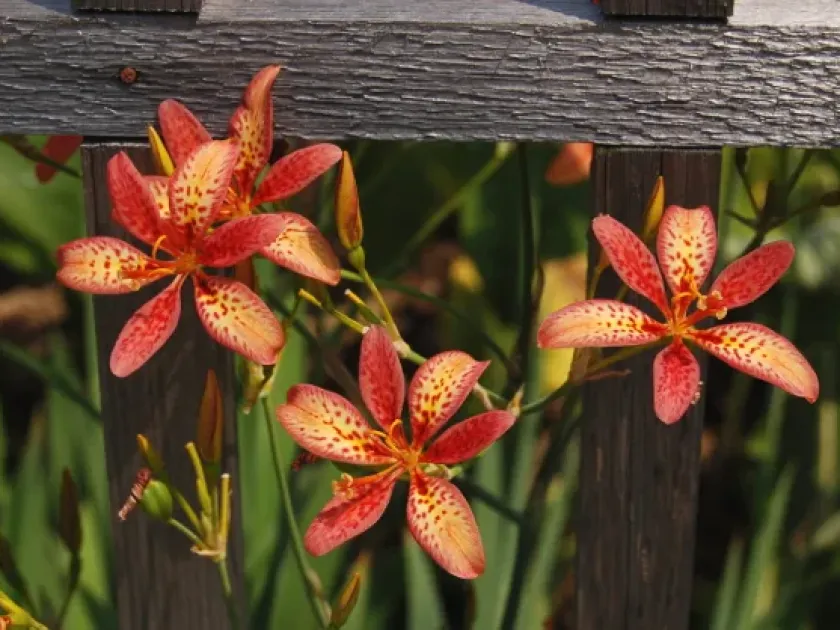
Description
Sowing dates
The Norris iris (Iris norrisii), a member of the Iridaceae family, is a distinct species prized for its unique growth patterns and delicate flowering. Unlike typical rhizomatous irises, it requires specific attention to its planting environment to thrive in a garden setting.
Sowing seeds is best performed in the autumn, allowing for natural winter stratification, which significantly improves germination rates. If spring sowing is preferred, seeds should be treated with cold moist stratification for several weeks before being placed in a light, well-draining seed-starting mix.
When planting established plants or divisions, the ideal timing is during the post-flowering dormancy phase. This allows the root system to settle into the soil and establish itself before the onset of the plant's next active growth season.
The selection of an appropriate site is crucial; these plants favor positions with full sun exposure but benefit from light afternoon shade in warmer regions. Providing the right amount of light is essential for robust stem development and vibrant flower production.
Adequate spacing, typically around 30 to 40 centimeters apart, is necessary to encourage proper air circulation. Proper spacing prevents the microclimate around the plant from becoming too humid, which is a major factor in maintaining long-term health.
Growing requirements
Soil requirements for the Norris iris focus on excellent drainage and a loose, airy texture. Sandy or gravelly loams are ideal, as they prevent water from pooling around the rhizomes, which can be fatal for this specific type of iris.
The plant thrives in soil with a neutral to slightly acidic pH. It does not require heavy fertilization; in fact, excessive nitrogen should be avoided as it promotes rapid, weak growth and increases susceptibility to soft rot and other soil-borne pathogens.
Watering should be balanced—regular enough to keep the soil slightly moist during the spring growth phase but reduced as the plant enters dormancy. In winter, keeping the roots relatively dry is vital, especially in areas with high rainfall.
Winter hardiness is generally sufficient for temperate climates, although young plants may benefit from a layer of mulch for the first season. Mulching also helps suppress weeds, which could otherwise compete with the irises for nutrients and water.
Maintenance tasks include careful weeding by hand rather than using a hoe, as the root systems are shallow and easily damaged by deep soil cultivation. A light dressing of compost in early spring is usually sufficient to support the plant's nutrient needs.
Main diseases and pests
The most common threat to the Norris iris is bacterial soft rot, which manifests as mushy, foul-smelling sections on the rhizomes. This disease is typically driven by high soil moisture levels combined with poor soil aeration.
Preventative measures include treating the planting area with suitable fungicides early in the season and ensuring that the drainage is impeccable. If symptoms of rot appear, it is essential to dig up the plant and prune away the infected tissue immediately.
Pests such as iris borers or thrips can occasionally cause damage to the foliage and flower stalks. Vigilant observation during the growing season allows for early intervention, often by manual removal of infested parts or the application of targeted insecticides.
Slugs and snails can be problematic, particularly for young plants, by grazing on the succulent leaves. Implementing barriers or using organic molluscicides around the perimeter can effectively protect the plants from these garden pests.
Maintaining a clean garden bed by removing dead foliage at the end of the season reduces the habitat available for pests and fungi to overwinter. Proper hygiene is a fundamental aspect of successful Norris iris cultivation.
Harvesting
Seed harvesting should occur when the seed pods begin to turn brown and dry but have not yet dehisced. Once harvested, pods should be kept in a cool, dry place to ensure they dry completely before extracting the seeds for storage.
For vegetative propagation, harvesting or dividing the clumps is recommended every three to four years during the late summer. The rhizomes are lifted, inspected for health, and sliced into smaller sections, ensuring each piece has active buds.
After division, it is advisable to allow the rhizome sections to air-dry in a shaded area for a few days before replanting. This curing process helps seal the cut surfaces and reduces the likelihood of infection once they are placed in the soil.
If harvesting for floral use, flowers should be cut at the bud stage, just as the color is beginning to show. Placing them immediately into clean water with a floral preservative will ensure they remain vibrant for up to a week.
Stored seeds should be kept in breathable envelopes or cloth bags to prevent fungal growth. A cool, dark, and consistent environment is perfect for keeping seeds viable for the next planting season.