
Missouri iris
Iris missouriensis
Description
Growing requirements
The Missouri iris (Iris missouriensis) is a hardy perennial belonging to the Iridaceae family. Native to the western regions of North America, this species naturally thrives in diverse environments, ranging from alpine meadows to damp valley floors, exhibiting remarkable ecological plasticity.
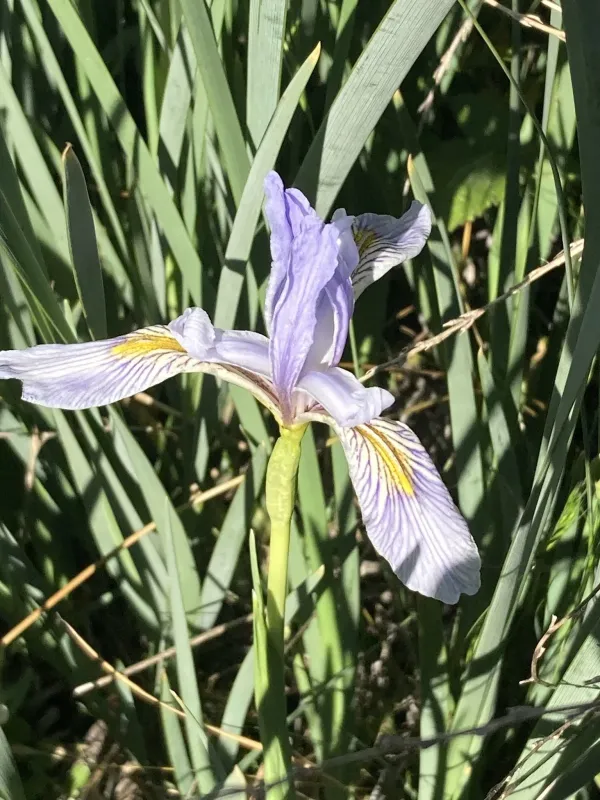
The plant features a robust system of creeping rhizomes that allow it to form dense colonies over time. Its foliage consists of narrow, bluish-green sword-like leaves. The flowering stalks typically reach 12 to 24 inches in height, producing elegant pale blue to deep violet flowers marked with intricate veining.
Regarding climate requirements, this iris is highly adaptable. It prefers full sun exposure but can handle partial shade in hotter climates. It is notably frost-tolerant, which makes it an excellent candidate for colder temperate zones where many other decorative iris species might struggle to survive.
Soil management for Iris missouriensis involves selecting well-draining soils with a neutral pH. While it appreciates consistent moisture during the growing season, it is essential to ensure that the site does not remain waterlogged for extended periods, as this can impede rhizome health.
In terms of agricultural and horticultural use, the Missouri iris is prized for its reliability in perennial gardens and ecological landscape restoration. It serves as an effective ground cover and is frequently utilized in naturalistic planting designs due to its low maintenance needs once established.
Main diseases and pests
The primary threats to this crop include fungal leaf spot and rust infections, which tend to proliferate in stagnant, overly humid conditions. Providing adequate air circulation around the plants is a crucial cultural practice to prevent these foliage diseases.
Pest issues often involve iris borers and thrips, which can diminish the visual quality of the flowers. Regular monitoring and the application of targeted biological or chemical control agents when symptoms appear are standard practices to maintain plant vitality.