
Kirkwood iris
Iris kirkwoodii
Description
Growing requirements
The Kirkwood iris (Iris kirkwoodii) is a perennial herbaceous plant belonging to the Iridaceae family. This rare species is native to the rocky landscapes of Turkey and Syria, where it has adapted to specific ecological niches.
Successful cultivation of this species requires well-drained, sandy, or rocky soils that mimic its natural habitat. It is highly intolerant of waterlogged conditions, which can lead to rapid decay of the rhizome.
This iris species thrives in climates characterized by hot, dry summers and cool, dry winters. It is an excellent choice for rock gardens or arid landscapes where other ornamental plants might struggle due to lack of water.
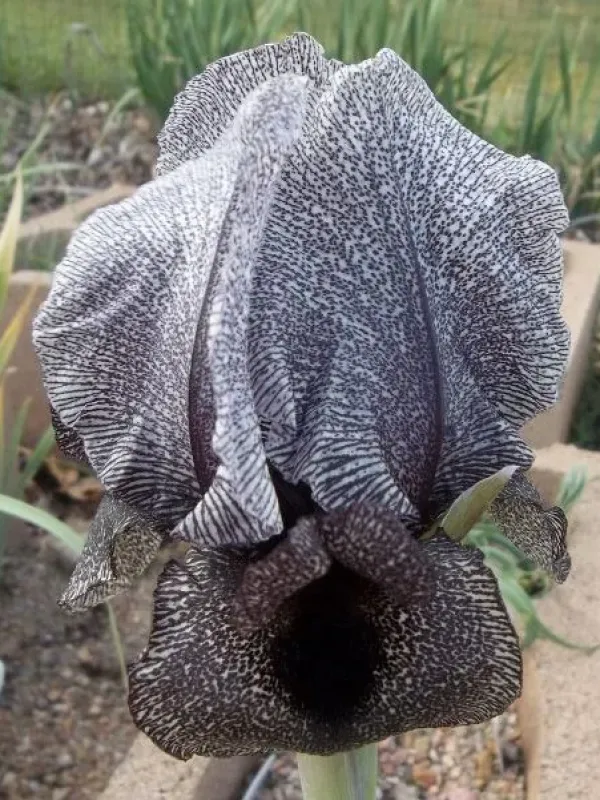
Botanically, the plant is distinguished by its unique flower structure and color patterns, which require direct sunlight to fully develop and bloom during the spring season.
The primary agronomic goal is to ensure low moisture content in the soil. Maintaining a neutral soil reaction is also recommended to ensure the plant absorbs essential minerals efficiently.
Main diseases and pests
Fungal infections, such as root rot and fusarium wilt, represent the most significant threat to the Kirkwood iris when soil moisture levels are not strictly managed.
Common pests include aphids and iris borers, which can damage the stems and foliage, thereby reducing the overall vigor of the plant during the growing season.
To mitigate these risks, growers should ensure proper spacing between individual plants to promote adequate airflow and prevent the accumulation of surface moisture.
Integrated pest management strategies, including the use of systemic fungicides during the early spring, can help protect the plants from common soil-borne pathogens.
Regular inspection of the root system and foliage is crucial, especially after periods of unseasonal rain, to catch any signs of infection early and apply necessary treatments.