
Kumaon iris
Iris kemaonensis
Description
Growing requirements
The Kumaon iris (Iris kemaonensis) is a fascinating member of the Iridaceae family, native to the alpine regions of the Himalayas. This species is widely regarded as a botanical treasure due to its compact size and stunning floral display, often found in rocky, high-altitude meadows.
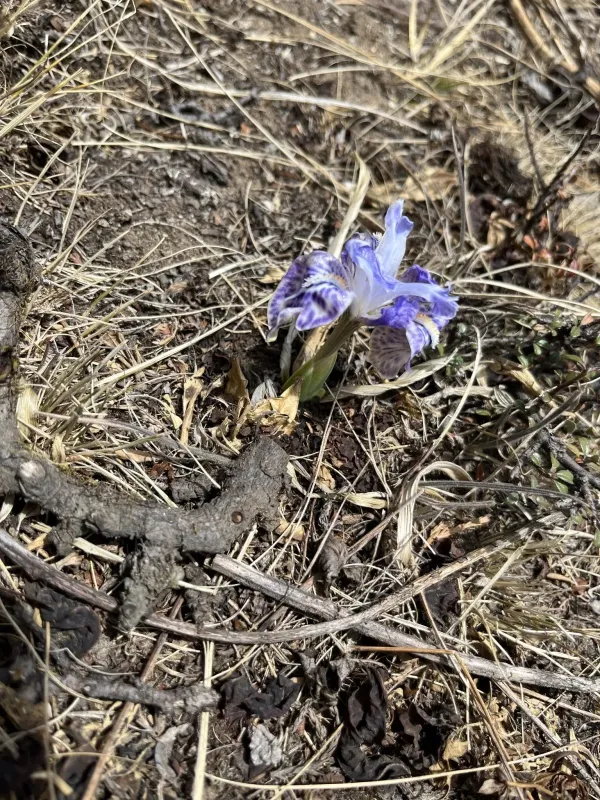
Botanically, this iris is characterized by its short, stemless or near-stemless flowers that emerge close to the ground, surrounded by grass-like leaves. The petals are known for their intricate blue-violet pigmentation and spotting, which are specialized evolutionary traits for high-altitude pollinators.
Agricultural success with this crop relies heavily on emulating its natural rocky habitat. The soil must be exceptionally well-drained, porous, and neutral to slightly alkaline. Incorporating gravel or crushed limestone into the planting site is essential to prevent root asphyxiation during the growth cycle.
Climate requirements involve full exposure to solar radiation and well-ventilated conditions. While the Kumaon iris is hardy, it requires a distinct period of winter dormancy. During wet climates, protecting the crown from excess winter rain is crucial to prevent the rhizome from decaying.
Its primary use is in specialty horticulture, rock gardens, and cold-climate nurseries. Because of its specific ecological niche, it remains a plant for experienced gardeners who can manage the delicate balance between moisture and drainage required for its long-term survival.
Main diseases and pests
The main threats to the Kumaon iris are fungal pathogens, specifically those causing rhizome rot and leaf spots. These typically emerge when the plant is grown in heavy, waterlogged soils, which are unsuitable for this high-alpine species.
Gastropods, such as slugs and snails, represent the primary animal pests, often devouring the tender emerging foliage in early spring. These pests thrive in moist, shaded environments, making it necessary to keep the area around the plants clean and relatively dry.
Soil-borne pests like root aphids or nematodes may occasionally cause localized damage. Their presence is often detected by a sudden loss of vigor in the plant, which necessitates the inspection of the rhizome and, if required, treatment with appropriate soil insecticides.
Chemical control should be applied judiciously, focusing on systemic fungicides to manage leaf spotting during periods of high humidity. Always ensure that any treatment does not negatively impact the soil structure or the delicate balance of the plant's surrounding microorganisms.
Regular maintenance, including the removal of dead or decaying leaf matter, is a key strategy for disease prevention. Maintaining good air circulation through proper spacing and avoiding dense mulching materials helps significantly in reducing the risk of infection.