
Dwarf iris
Iris humilis
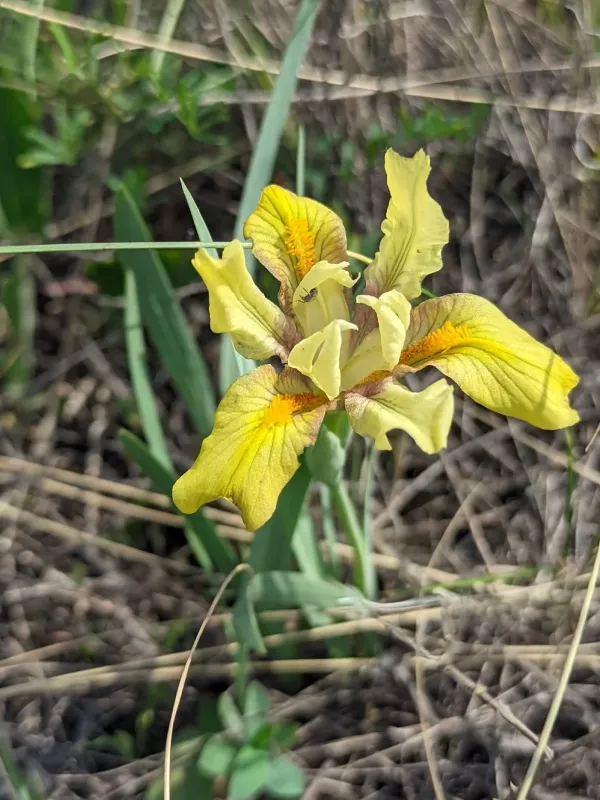
Description
Growing requirements
Iris humilis, commonly known as the dwarf iris, belongs to the Iridaceae family. This low-growing perennial species is native to dry steppes and sandy grasslands, exhibiting a remarkable adaptation to harsh, nutrient-poor environmental conditions.
Botanically, the plant features narrow, grass-like leaves and a compact rhizome system. Its growth habit is typically clump-forming, making it a robust and reliable choice for gardeners looking for durable ground-covering perennials.
The cultural requirements for Iris humilis emphasize the need for full sun exposure. It is essential to ensure the planting site receives at least six to eight hours of direct sunlight daily to promote healthy vegetative growth and flowering.
Regarding soil preferences, the plant demands excellent drainage. It thrives in sandy or gritty substrates that mimic its natural habitat. Heavy soils that retain excessive moisture must be amended with grit or perlite to prevent the root system from suffocating.
In terms of usage, this species is highly valued for rock gardens, xeriscaping, and front-of-border arrangements. Its low stature and drought tolerance make it an excellent selection for areas with limited water availability or poor soil fertility.
Main diseases and pests
The primary threats to Iris humilis are related to moisture-borne fungal diseases. Bacterial soft rot of the rhizome is a significant concern, typically triggered by waterlogged conditions, high humidity, and poor airflow around the base of the plant.
Pests that frequently impact this iris include iris borers and aphids. These insects can weaken the plant by feeding on the leaves or tunneling into the rhizomes, potentially leading to stunted growth or complete plant failure.
Effective management strategies include proper spacing of plants to facilitate airflow, which is critical for preventing fungal outbreaks. Regular weeding ensures that the plant does not compete for nutrients or trap excess humidity near the soil surface.
For pest control, integrated pest management practices should be employed. This involves monitoring for early signs of infestation and using targeted treatments to minimize impact on the surrounding garden ecosystem.
Maintaining a dry, clean mulch layer—such as pea gravel—around the crown of the plant can significantly reduce the risk of rot. By replicating the natural, well-draining conditions of its native environment, the risk of disease is substantially lowered.