
Iris histrio
Iris histrio
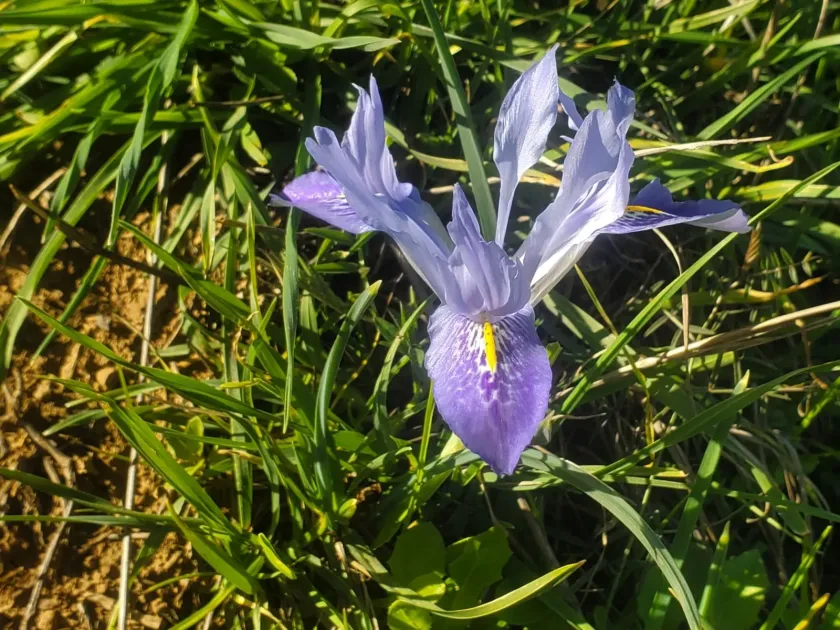
Description
Growing requirements
Iris histrio, also known as the Actor Iris, belongs to the Iridaceae family. It is a bulbous perennial originating from the mountainous regions of Turkey, Syria, and Lebanon, where it adapts to rocky landscapes and Mediterranean climatic conditions.
Botanically, this species is defined by its small, netted bulbs and early flowering cycle. The blooms are typically shades of blue, pale purple, or white with distinct darker venation, appearing in late winter or early spring depending on the altitude and local weather.
The culture requires exceptionally well-drained soil, preferably stony or sandy loam, to mimic its native habitat. Any moisture retention in the bulb zone during the dormant summer period can cause rot, making drainage the most critical factor for successful cultivation.
Optimal growth conditions involve full exposure to sunlight throughout the growing season. The plant needs a warm, dry summer rest period to ripen the bulbs, which ensures strong floral development for the following year.
Its primary agricultural and horticultural utility lies in landscape gardening. Due to its short stature and early blooming time, Iris histrio is highly prized for alpine gardens, containers, and borders where it serves as a herald of spring.
Main diseases and pests
Fungal pathogens, particularly those causing bulb rot, are the primary threat to the health of Iris histrio. These infections are almost always linked to poor drainage or prolonged exposure to cold, wet soil conditions during the winter and autumn months.
Common horticultural pests, such as thrips and bulb mites, can severely impact plant vigor. Regular monitoring and preventive treatments with appropriate pesticides are necessary, especially when the plants are grown in confined or sheltered garden spaces.
Rodents, particularly field mice, frequently consume the bulbs during winter dormancy. Physical barriers or the use of protective mesh are standard practices for growers looking to prevent significant losses to their ornamental iris stocks.
Physiological disorders related to soil pH can also occur. The plant thrives in neutral to slightly alkaline conditions; overly acidic soils may lead to nutrient deficiencies and reduced resistance to environmental stressors.
Poor ventilation around the foliage can lead to secondary fungal outbreaks. Providing enough space between individual plants and ensuring the site is not prone to stagnant air helps maintain a healthy microclimate for the iris bed.