
Iris haynei
Iris haynei
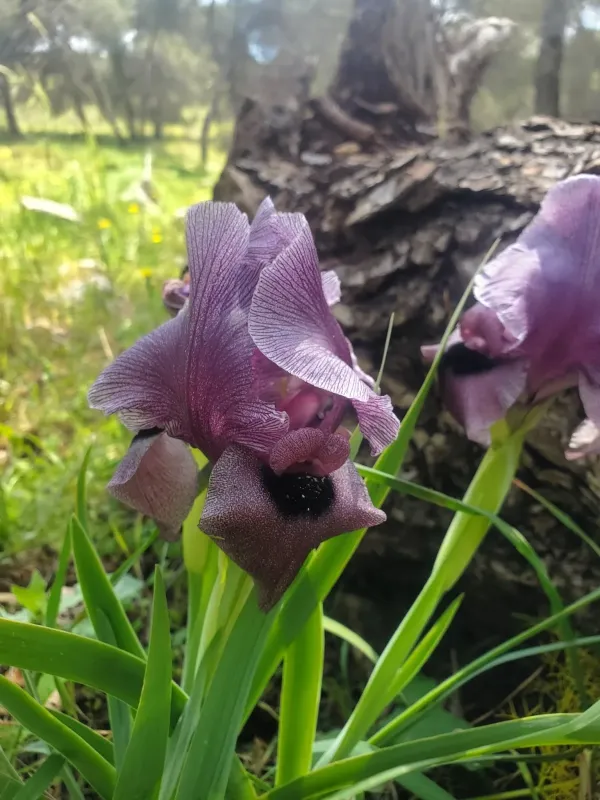
Description
Growing requirements
Iris haynei is a member of the Iridaceae family and is recognized as a rare, highly specialized ornamental crop. Originating from the mountainous regions of Israel, it belongs to the Oncocyclus section, famous for its large, intricately patterned flowers.
The crop requires full sun exposure and specific soil conditions to thrive. It performs best in well-drained, gritty, or rocky soils that prevent water retention. A neutral to slightly alkaline soil pH is preferred for optimal nutrient uptake.
The cultivation of this plant is strictly seasonal. During the summer dormancy period, it is essential to keep the soil completely dry and warm. This mimics the native habitat where the plant spends months in a dormant state during hot, rainless seasons.
Watering should be managed carefully, with moisture provided only during the active growth phase in late winter and early spring. Excessive water during dormancy will inevitably lead to root rot and loss of the crop.
Proper aeration of the soil is critical for the health of the rhizomes. Cultivation requires minimal fertilizer application, as the plant is naturally adapted to survive in nutrient-poor conditions, making it an excellent candidate for specialized rock gardens.
Main diseases and pests
The main threat to Iris haynei is fungal infection, particularly Fusarium oxysporum and other pathogens that cause crown rot. Proper drainage and site selection are the most effective preventive measures against these soil-borne diseases.
Pests such as iris borers and aphids can severely damage the foliage and rhizomes. Monitoring is essential, especially during the growth season, to prevent infestation. Standard management includes using systemic insecticides and mechanical removal of infected plant parts.