
Iris haussknechtii
Iris haussknechtii
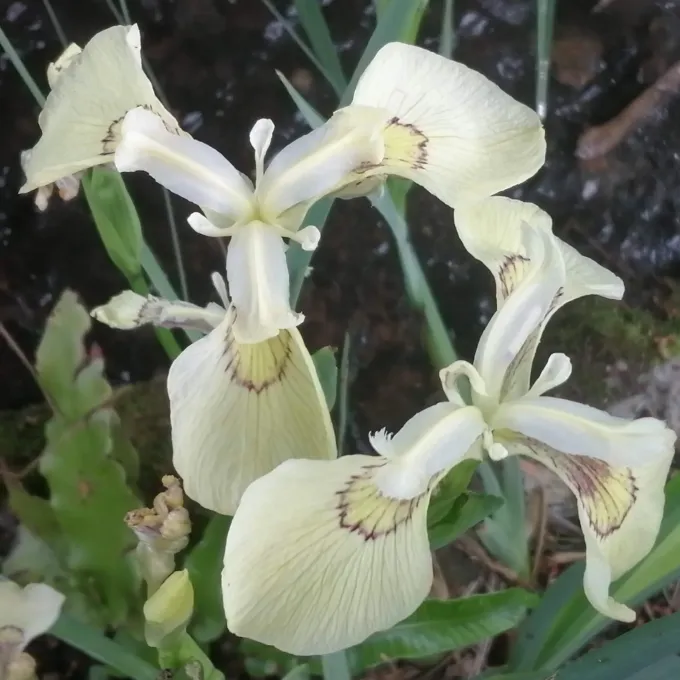
Description
Growing requirements
Iris haussknechtii is a perennial rhizomatous species belonging to the Iridaceae family, recognized for its unique aesthetic traits. Originating from the mountainous regions of the Middle East, specifically Iran and Turkey, this plant is well-adapted to harsh environments and is increasingly studied for potential ornamental cultivation.
Successful cultivation of this species requires well-draining, loose soils with a neutral to slightly alkaline pH. The plant exhibits high sensitivity to stagnant moisture; thus, maintaining proper soil aeration and avoiding heavy waterlogged substrates is critical to preventing rhizome rot and ensuring the plant's long-term survival.
Climatically, this iris thrives in regions with hot, dry summers and cool winters, mirroring its natural high-altitude habitat. Consistent sunlight is necessary throughout the growing season to stimulate flower bud formation and maintain robust vegetative growth, making it an excellent candidate for Mediterranean-style landscape projects.
Agrotechnical management primarily involves site preparation with significant inorganic mulching, such as gravel or crushed stone. This practice not only provides essential drainage for the root system but also mimics the stony natural terrain, preventing excess heat and moisture accumulation around the base of the plant during the dormant period.
The primary economic use of Iris haussknechtii is in specialized horticulture and selective breeding programs. Due to its limited natural distribution and specific requirements, it is highly valued by plant collectors and landscape architects aiming to develop low-maintenance, drought-tolerant xeriscape gardens.
Main diseases and pests
The most common threats to Iris haussknechtii are soil-borne fungal pathogens, such as Fusarium and Rhizoctonia species, which cause rhizome decay. Effective prevention is achieved through strict irrigation control and avoiding nitrogen-rich fertilizers that can encourage soft, vulnerable tissue growth during rainy seasons.
Common insect pests include iris borers and thrips, which can significantly damage foliage and flower stalks. Integrated pest management strategies, such as biological control and the periodic application of broad-spectrum systemic insecticides, are recommended to maintain plant health throughout the active vegetation cycle.