
Saltmarsh iris
Iris halophila
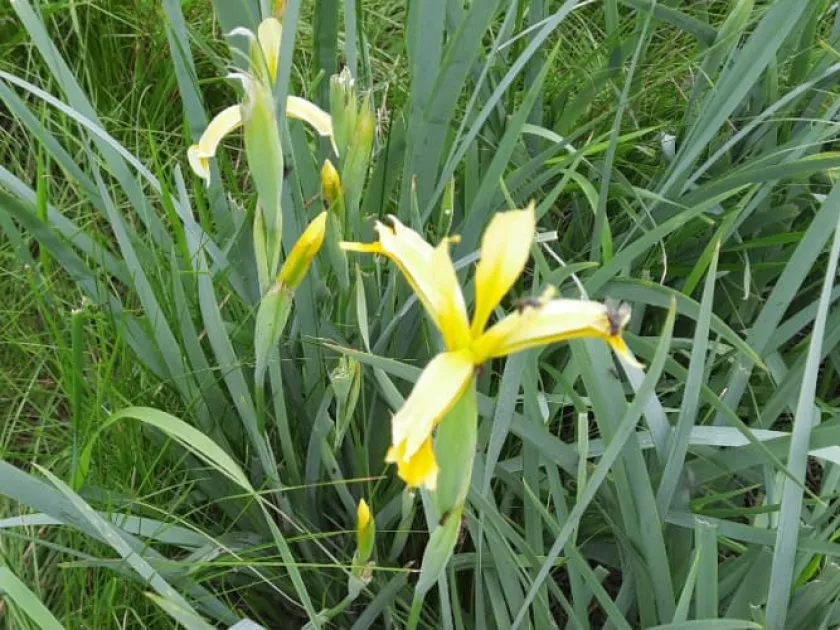
Description
Sowing dates
The propagation of the saltmarsh iris is primarily conducted through seed sowing in the late autumn or by dividing established rhizomes. Autumn sowing allows the seeds to undergo natural stratification over the winter, which significantly boosts germination rates.
If sowing is planned for spring, seeds must be kept in a cold, moist environment for at least 6–8 weeks to break dormancy. Sowing depth should be minimal, not exceeding 2 cm, to ensure the sprouts can reach the surface without exhaustion.
Seedlings develop slowly, requiring a weed-free environment and consistent light levels during their first year. Thinning should be performed once the plants reach the two-leaf stage to ensure adequate space for root development.
Vegetative propagation via rhizome division is preferred for preserving specific plant characteristics. The ideal time for this procedure is immediately after the flowering period, ensuring that the plant has time to establish before the ground freezes.
Each rhizome section must contain a healthy growth bud and sufficient roots to sustain the plant through the transition period. Dividing plants every 3 to 4 years prevents overcrowding and maintains vigor.
Growing requirements
The saltmarsh iris belongs to the Iridaceae family and is recognized as a hardy halophyte. It originates from the steppe and semi-desert regions, where it has adapted to cope with high salt concentrations in the soil.
This species thrives in full sun exposure. It is highly resistant to drought and heat, making it an excellent candidate for xeriscaping or restoring degraded, saline land in arid climates.
Soil requirements are relatively specific: it prefers well-drained, slightly alkaline or neutral soils. While it can handle saline conditions, it still requires adequate aeration to prevent root rot during rainy periods.
Water management is critical; although the plant is drought-tolerant, supplemental irrigation during the spring growing phase encourages larger blooms. However, water should be strictly withheld during dormant periods.
The plant is highly winter-hardy and requires no special protection from frost. Its robust rhizomatous structure allows it to withstand significant temperature fluctuations typical of continental climates.
Main diseases and pests
Fungal infections are the most common issue for Iris halophila, primarily when drainage is compromised. Bacterial rhizome rot can spread quickly if the soil remains waterlogged, leading to the rapid decay of the entire plant.
Leaf spot diseases, often caused by fungal spores carried by wind, can cause premature foliage browning. Regular applications of systemic fungicides during wet spring weather can prevent these symptoms from escalating.
The iris fly is a notable pest, as its larvae feed on the developing flower buds. Prompt removal of infested buds and the application of targeted insecticides can help manage the population effectively.
Nematodes are another potential threat, often attacking the rhizomes and causing stunted growth. Implementing a crop rotation strategy and using nematode-free stock are essential cultural practices for prevention.
Proper garden hygiene, including the removal of dead foliage after the first frost, is crucial. This practice reduces the habitat available for overwintering pests and fungi, promoting a healthier plant for the following season.