
Grant-Duff's iris
Iris grant-duffii
Description
Growing requirements
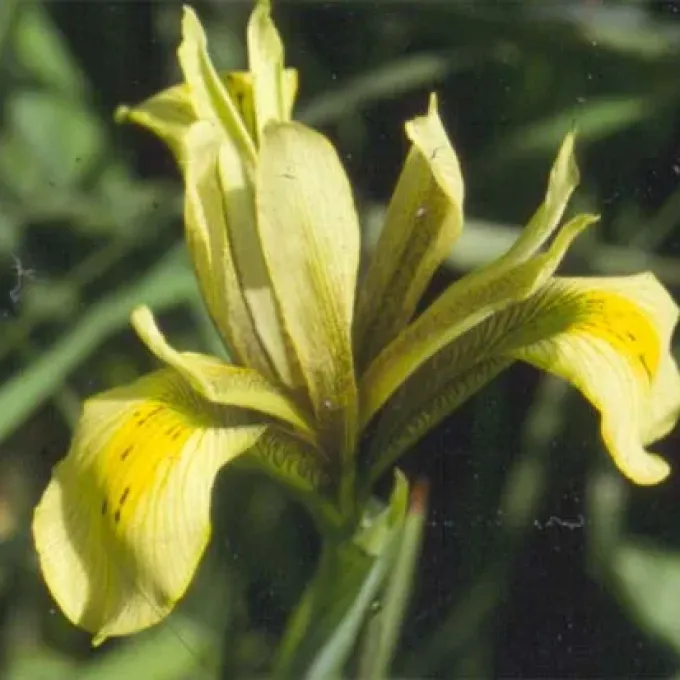
Grant-Duff's iris (Iris grant-duffii) is a perennial herbaceous plant belonging to the Iridaceae family. This species is native to the Middle East, including regions of Turkey, Syria, and Israel, where it thrives in open rocky habitats and heavy clay soils typical of semi-arid landscapes.
The botanical features of this species include stiff, leathery, grass-like leaves and distinct flowers that usually bloom in early spring. Its rhizomatous root system is specialized for water storage, enabling the plant to endure harsh, dry summers without significant physiological stress.
Cultivation requires conditions that mimic its natural habitat, emphasizing excellent drainage and full sun exposure. It is highly recommended to plant these irises in raised beds or well-drained rock gardens where moisture cannot accumulate around the rhizomes.
The soil profile should be neutral or slightly alkaline, with a gritty texture to ensure oxygen reaches the roots. In climate zones with heavy rainfall, protective structures or cold frames are necessary to manage humidity levels during the critical dormancy period.
Watering management is the most important aspect of the plant's life cycle. Irrigation should be provided during the growing season (winter and early spring) and strictly withheld after the foliage begins to turn yellow to trigger the mandatory dry summer dormancy.
Main diseases and pests
The most significant threat to Iris grant-duffii is bacterial rhizome rot, caused by excessive moisture and poor soil aeration. Once established, this condition is often fatal to the plant, making preventative drainage management the highest priority for growers.
Common pests include iris borers and various bulb mites that target the underground parts of the plant. Regular monitoring of the foliage and the application of systemic pesticides during the early growing phase are essential to maintain plant vigor.
Fungal diseases, such as leaf spot, may occur in humid conditions with limited airflow. Implementing proper spacing and avoiding overhead irrigation can significantly reduce the incidence of leaf-related pathogens.
Gastropods, such as slugs and snails, pose a seasonal threat to emerging spring shoots. Protective measures, including physical barriers or targeted baiting, should be utilized early in the season to prevent structural damage to the plant.
Maintaining a clean cultivation environment by removing dead foliage and debris is critical. This practice prevents the accumulation of inoculum, which helps suppress the development of both pests and diseases throughout the growing year.