
Grass-leaved iris
Iris graminea
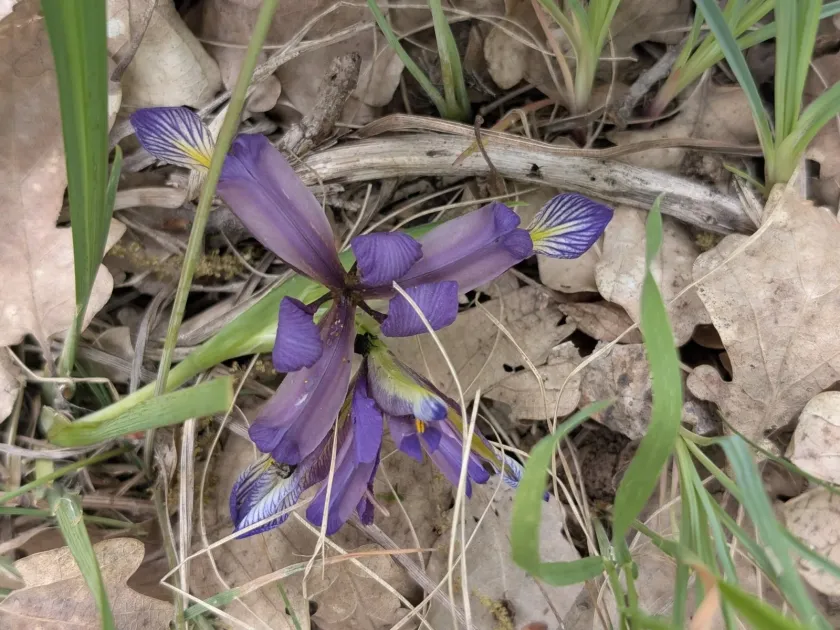
Description
Sowing dates
Cultivation of Iris graminea, commonly known as the grass-leaved iris, is primarily achieved through the division of rhizomes. The optimal time for this procedure is late summer or early autumn, after the plant has finished its blooming cycle.
Propagation by seeds is possible but less common, as it requires a longer period for the plant to reach maturity. If seeds are used, they should be sown outdoors in the autumn to ensure they undergo a natural period of cold stratification during winter.
When planting, it is recommended to maintain a spacing of 30 to 40 centimeters between plants to allow for proper air circulation and to prevent overcrowding of the foliage.
Rhizomes should be planted shallowly, at a depth of approximately 3 to 5 centimeters. Planting too deep can hinder the growth of the buds and increase the risk of rhizome rot, especially in heavier soil types.
Post-planting maintenance requires regular watering to ensure the divisions establish a healthy root system before the arrival of the first frost, which is essential for survival in colder regions.
Growing requirements
The grass-leaved iris is a herbaceous perennial belonging to the Iridaceae family. It is native to Central and Southern Europe and parts of the Caucasus, valued for its narrow, grass-like leaves and fragrant flowers.
This species thrives in fertile, well-drained soils with a neutral or slightly acidic pH. While it is adaptable to various light conditions, it performs best in full sun or light partial shade, where the soil remains consistently moist but not waterlogged.
The plant is known for its hardiness, but in regions with harsh, snowless winters, applying a layer of organic mulch such as peat or dry leaves around the base can provide necessary protection against freezing temperatures.
Drainage is critical for the long-term success of the crop. Excessive soil moisture, especially in poorly drained heavy soils, can lead to root decay and various fungal pathogens, so site selection should prioritize raised or sloping areas.
For optimal health, balanced fertilizers should be applied in the early spring as the growth cycle begins, and again after flowering. This encourages robust rhizome development and prepares the plant for the following season's blooms.
Main diseases and pests
Bacterial soft rot is the most serious threat to iris species. It often manifests in wet, warm conditions or as a result of poor cultural practices, causing the rhizomes to soften and eventually collapse.
The iris fly can cause significant damage to the developing flower buds, often rendering them deformed. Systemic insecticides are recommended for control if the presence of this pest is detected during the early budding stage.
Leaf spot diseases, caused by various fungal pathogens, may occur during seasons with high humidity and limited airflow. Removing infected foliage promptly and maintaining proper distance between plants helps to manage these outbreaks.
Cutworms and other soil-dwelling larvae can feed on the base of the stems. Keeping the planting area free of weeds and debris is an effective preventive measure to reduce the habitat available for these pests.
Proper sanitation, including the disinfection of tools when dividing rhizomes, is essential to prevent the spread of diseases within the iris garden and to ensure the longevity of the plant population.