
Slender iris
Iris gracilipes
Description
Growing requirements
The slender iris (Iris gracilipes) is a perennial herbaceous plant belonging to the Iridaceae family. Native to the mountain woodlands of Japan, this species is well-adapted to shaded environments and thrives in cool, humid conditions, making it an excellent choice for ornamental gardening.
Botanically, the plant is characterized by slender, delicate stems that typically reach heights of 15 to 30 centimeters. Its foliage is narrow, grass-like, and grows in elegant, fan-shaped clusters that maintain visual interest even when the plant is not in its blooming phase.
To cultivate Iris gracilipes successfully, one must provide loose, well-draining soil with a slightly acidic to neutral pH level. The species is highly sensitive to waterlogged conditions, which can lead to root rot; thus, incorporating organic matter and grit into the planting site is essential.
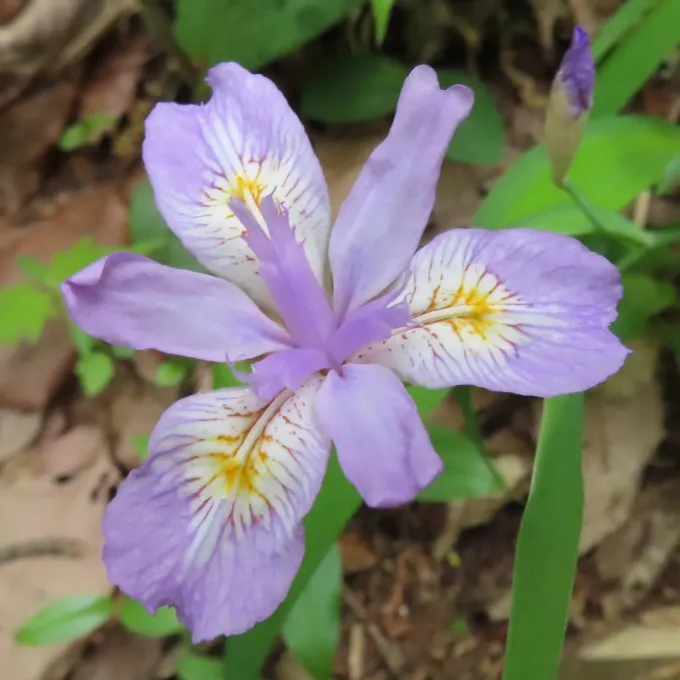
The ideal location for this culture is a semi-shaded area that avoids harsh, direct afternoon sunlight. In its natural woodland habitat, the plant relies on filtered light, which prevents the foliage from scorching and ensures the longevity of its delicate, lavender-pink flowers.
Regarding agricultural maintenance, the slender iris prefers consistent moisture but requires soil aeration. Propagation is most effectively achieved through the division of rhizomes, which should be performed either in early spring or immediately after the flowering period to encourage robust growth.
Main diseases and pests
The primary threats to the slender iris include fungal infections such as leaf spot, which often occurs in poorly ventilated or excessively humid conditions. Management includes thinning out dense plantings and ensuring that foliage remains dry during the irrigation process.
Gastropods, particularly slugs and snails, are frequent pests that cause significant damage to the succulent leaves. Implementing physical barriers or using targeted molluscicides is common practice to protect the aesthetic integrity of the foliage during the spring growing season.
Root rot, driven by poor drainage or overwatering, is a critical issue for this iris. Maintaining a balanced irrigation schedule and avoiding planting in heavy clay soils are fundamental preventative measures that ensure the health of the rhizomes throughout the year.
Insects like thrips may occasionally target the flower buds, causing malformation of the petals. Regular monitoring during the budding stage and the use of insecticidal soaps or systemic treatments can effectively manage these populations and preserve the beauty of the flowers.
Sanitation practices, such as the removal of dead or decaying leaf debris in late autumn, are vital for reducing the overwintering potential of pathogens. A clean growing environment significantly reduces the risk of outbreaks and supports the long-term vitality of the iris clumps.