
Giant Blue Flag
Iris giganticaerulea
Description
Growing requirements
The Giant Blue Flag (Iris giganticaerulea) is a robust herbaceous perennial member of the Iridaceae family. It is native to the coastal marshes and bayous of the southern United States, where it thrives in hydric soil conditions.
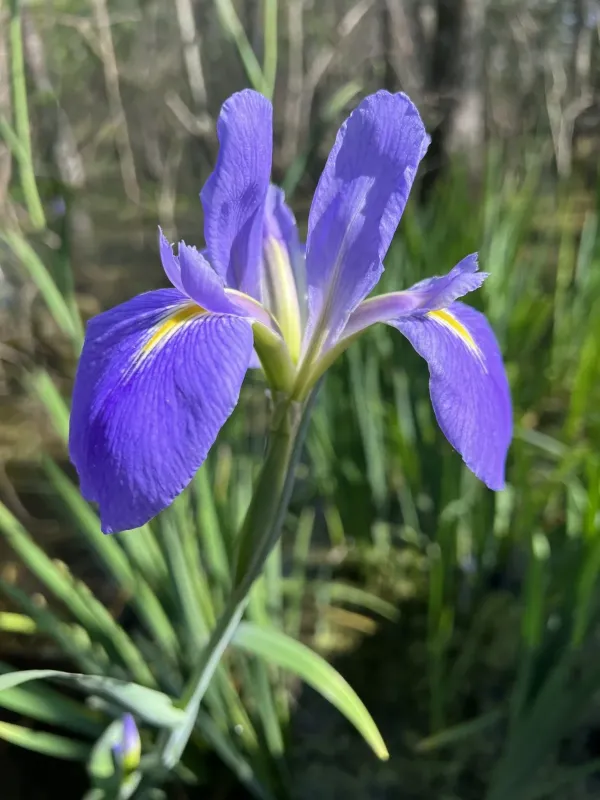
Botanically, this species is noted for its exceptionally large, colorful flowers and tall, sword-like foliage. It is distinct from other wetland irises due to its scale and adaptation to brackish or freshwater aquatic environments.
For successful cultivation, the plant requires consistent moisture and exposure to full sun. It performs best in nutrient-rich, organic-heavy soils that remain damp throughout the entire growing season.
Climate requirements involve a long growing season with high humidity. While hardy in its native range, the species benefits from protection against deep frost in colder temperate regions to prevent root damage.
Maintenance involves dividing rhizomes every few years to prevent congestion. This ensures the plant maintains vigor and continues to produce high-quality blooms annually during the spring season.
Main diseases and pests
The primary disease threat is soft rot, which typically attacks the rhizomes when drainage is poor or during dormant periods with high humidity and stagnant air conditions.
Foliar leaf spot is another common issue caused by moisture-loving fungi. It requires proactive management, including the removal of infected foliage to prevent the spread of spores to healthy plant tissue.
The iris borer is a significant insect pest that tunnels through the leaves into the rhizome. This can lead to structural collapse of the plant and provides entry points for secondary bacterial infections.
Aphids can occasionally colonize young flower buds, leading to stunted growth and distorted petals. Early intervention with insecticidal soaps is usually effective in managing these infestations.
Overall, maintaining good air circulation around the plants and ensuring the correct water level are the most important cultural practices to minimize the risk of pest and disease outbreaks.