
Iris gatesii
Iris gatesii
Description
Growing requirements
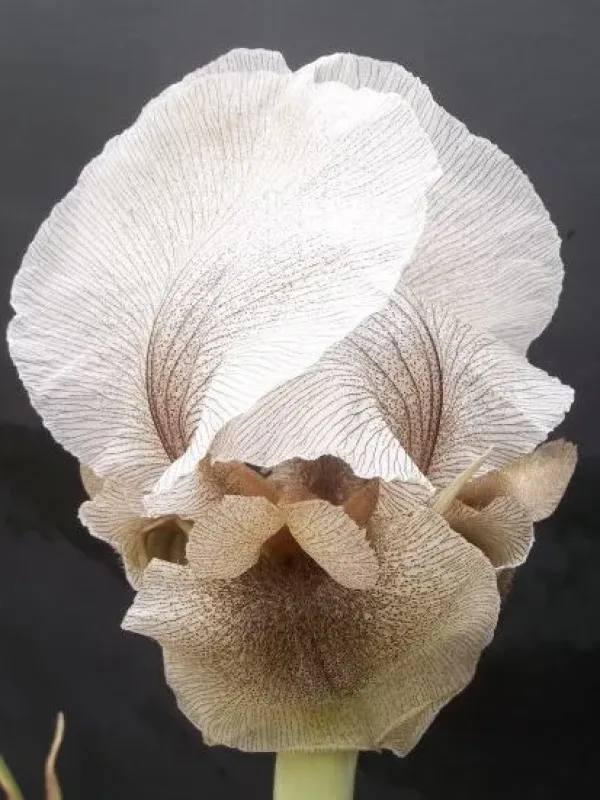
Iris gatesii is a highly sought-after member of the Iridaceae family, recognized as one of the most magnificent species within the oncocyclus group. Native to the mountainous terrains of eastern Turkey, this plant is adapted to harsh, stony environments.
Botanically, it features remarkably large, intricately patterned flowers with a distinct appearance that sets it apart from common garden irises. The rhizomes are relatively compact, necessitating precise planting depths to ensure the plant thrives in its environment.
Cultivation requirements focus heavily on soil structure; the medium must be extremely well-draining, mimicking its natural rocky habitat. A neutral to alkaline, gritty soil mix is essential to prevent the accumulation of moisture around the rhizome.
Climatic needs are strictly defined by a cycle of wet springs for growth and hot, arid summers for dormancy. In temperate climates, gardeners often utilize cold frames or rain shelters to simulate these dry summer conditions and protect the plant from rotting.
The primary use of Iris gatesii is in ornamental horticulture and botanical research. Due to its rare status and exotic beauty, it serves as a valuable resource for breeders looking to introduce complex patterns and shapes into new hybrid lines.
Main diseases and pests
Bacterial soft rot represents the most significant threat to Iris gatesii, usually triggered by excessive soil moisture or poor drainage. Once established, this pathogen can rapidly destroy the rhizome system, making prevention the best strategy.
Pests such as aphids can compromise the plant's health during the peak blooming season, while underground pests like nematodes can cause root damage. Protecting the root zone from these pests is vital for long-term plant stability.
Weed management is critical, as weeds trap moisture and increase humidity around the crown of the plant. A top dressing of gravel or grit is often employed to keep the foliage and rhizome neck dry and aerated.
Systemic fungicides are recommended as a preventive measure against seasonal fungal infections. Application timing should coincide with the onset of the wet season or periods of high humidity to maximize effectiveness.
Strict sanitation during division or planting is essential to prevent the spread of disease. Using sterilized tools and treated growing media ensures that the plant has the best possible start in its new location.