
Iris filifolia
Iris filifolia
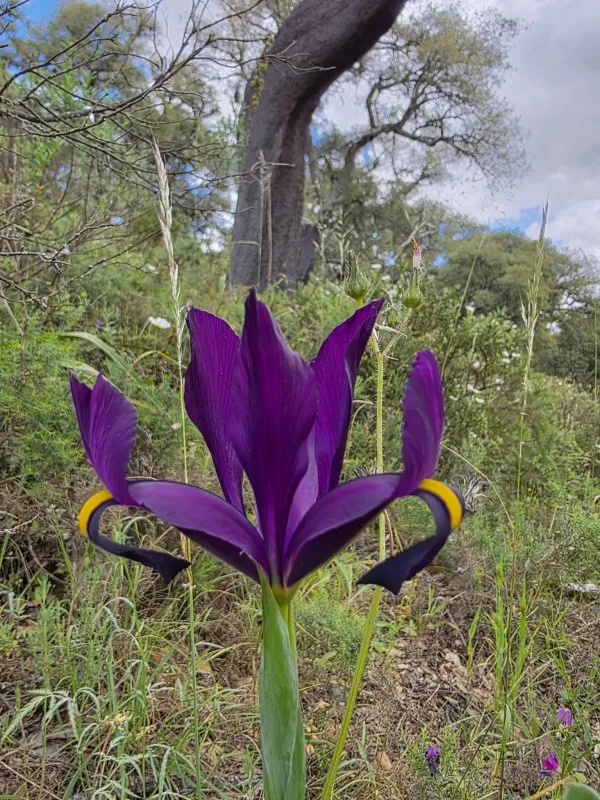
Description
Growing requirements
Iris filifolia is a member of the Iridaceae family, recognized for its thread-like leaves and elegant floral structure. Native to the Mediterranean region, particularly Spain and North Africa, it is a bulbous perennial that requires specific environmental conditions to thrive.
The plant demands full sun exposure to stimulate flower production and ensure the bulbs mature correctly during the dormant season. It is essential that the chosen site provides excellent drainage, as the bulbs are highly susceptible to rot if exposed to excessive moisture during their rest period.
Soil requirements for this species focus on a light, sandy composition with a neutral or slightly alkaline pH. Integrating organic matter such as compost must be done carefully to avoid heavy soil retention; using horticultural grit or sand is a standard practice for improving soil aeration.
Agrotechnical practices involve careful management of watering cycles: high water availability during the spring growing season is necessary, followed by a dry period after the foliage dies back. This mimics the plant's natural habitat cycle, which is crucial for preventing fungal infections.
Economically and ornamentally, this iris is utilized in landscaping, rock gardens, and specialized container displays. Its slender aesthetic and early blooming period make it a desirable choice for garden enthusiasts seeking diversity in their bulbous plant collections.
Main diseases and pests
The primary threats to Iris filifolia are soil-borne fungal pathogens, such as Fusarium, which cause basal rot. Ensuring proper drainage and using fungicide treatments on bulbs prior to planting are standard preventive measures used by professional growers.
Insect pests such as wireworms and various types of bulb flies can cause significant damage to the root system and subterranean tissues. Monitoring soil health and implementing integrated pest management strategies are vital for maintaining a healthy and productive display of these iris plants.