
Farrers Iris
Iris farreri
Description
Growing requirements
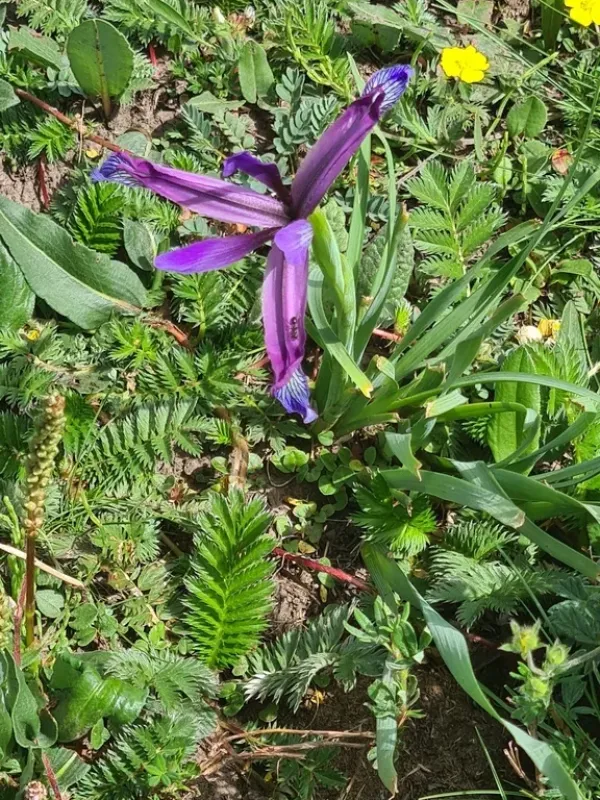
Farrers Iris (Iris farreri) is a perennial herbaceous plant belonging to the Iridaceae family. This species originates from the mountainous regions of Tibet and Western China, thriving in high-altitude environments characterized by rocky soils and significant temperature fluctuations.
Botanically, it is a small-stature plant, typically reaching heights of 15 to 30 centimeters. The foliage consists of slender, sword-shaped leaves that form neat clumps, providing a lush green base for the delicate flowers that emerge during the spring and early summer seasons.
The flowers of Iris farreri are known for their intricate patterns and beautiful blue-to-violet coloration. These aesthetic features make it a prized specimen for collectors of alpine plants and rock garden enthusiasts who seek unique botanical gems.
Cultivation success depends on providing a location with excellent drainage. The soil should be gritty and porous to ensure that water does not linger around the root system, as this species is particularly susceptible to rot in boggy conditions.
Light requirements are relatively high, as this iris prefers full sun exposure to develop strong stems and vibrant blossoms. While it is quite hardy, providing a protective mulch during extreme winter weather can help protect the rhizomes from freezing and thawing cycles.
Main diseases and pests
Fungal pathogens represent the most significant threat to the health of iris plantings. Excessive soil moisture combined with poor air circulation often leads to the development of rhizome rot, which can be devastating if left untreated during the active growth period.
Insect pests such as iris borers and thrips are common nuisances in gardening environments. These pests feed on the leaves and emerging buds, causing disfigurement and reducing the overall vigor of the plant during the blooming cycle.
Disease management strategies focus on prevention, including removing debris around the plant and ensuring that the foliage stays dry. Proper spacing between individual plants is essential to maintain optimal airflow and minimize the spread of moisture-related infections.
When pest infestations occur, organic or synthetic insecticidal soaps and systemic treatments can be utilized to protect the crop. It is important to apply these treatments early in the season to prevent larvae from damaging the central stalk of the iris.
Regular monitoring of the garden beds throughout the growing season is the best strategy to identify and mitigate threats early. By maintaining healthy soil and observing proper spacing, you can keep your Farrers Iris flourishing for many years.