
Vesper iris
Iris dichotoma
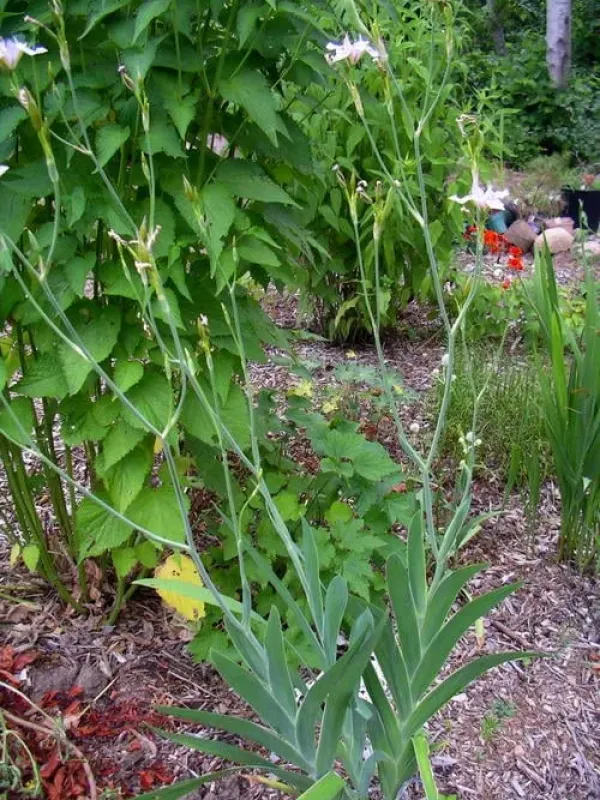
Description
Sowing dates
The Vesper iris (Iris dichotoma), now frequently classified under the genus Pardanthopsis, belongs to the Iridaceae family. This species is unique for its short-lived flowers and is primarily propagated through seeds, as it does not respond well to rhizome division.
Seeds should be sown in late autumn or early spring after a mandatory stratification period lasting 30 to 45 days. They are typically sown at a depth of 1-2 centimeters with rows spaced approximately 40 centimeters apart to allow for proper airflow.
Germination is most successful when soil temperatures range between 15 and 20 degrees Celsius. Consistent soil moisture during the first month is critical to ensure that the delicate seedlings establish their root systems effectively.
Plants grown from seeds usually produce their first blooms in the second or third year of growth. The species develops a deep, strong root system that helps it thrive even in challenging soil conditions once it has matured.
Autumn-sown seeds require protection from severe winter frost during their first season. Once established, the plants exhibit remarkable winter hardiness and can endure significant temperature fluctuations.
Growing requirements
The Vesper iris thrives in open, sunny locations. Shaded areas cause the stems to stretch and weaken, making them vulnerable to wind damage. Selecting a site with excellent drainage is paramount, as the plant cannot tolerate waterlogged soils.
It adapts well to sandy or loamy soils with a neutral to slightly alkaline pH. If the soil is heavy or clay-based, it is recommended to amend the planting area with sand and organic compost to improve aeration and drainage.
This species is highly resilient and well-adapted to moderate climates, demonstrating significant drought tolerance. Its ability to extract moisture from deeper soil layers makes it an excellent choice for low-maintenance garden beds.
Routine maintenance includes weeding and occasional hoeing to maintain soil structure. Applying a layer of organic mulch helps retain moisture during hot summer months and suppresses unwanted weed growth.
Fertilization should be handled with care; nitrogen-heavy fertilizers promote excess foliage at the expense of bloom production. A balanced application of phosphorus and potassium during the pre-flowering stage is ideal for maximizing flower quality.
Main diseases and pests
The most common disease affecting this crop is heterosporiosis, which causes brown spotting on the leaves. Effective control involves promptly removing infected plant tissue and applying appropriate fungicides during humid weather.
Root rot remains a major threat, particularly in poorly drained soils after heavy spring rains. Ensuring proper site selection and managing irrigation schedules are the best preventative measures against this issue.
Insects like the iris fly and various moth larvae can damage flower buds and stems. Integrated pest management, including the use of biological insecticides, is recommended when pest populations exceed acceptable thresholds.
Nematodes may infest the root system, leading to stunted growth. Crop rotation and using disease-free seed sources are essential strategies to maintain the long-term health of the planting area.
Regular monitoring is vital for early detection of issues. Maintaining optimal plant spacing and air circulation significantly reduces the risk of fungal infections and pest outbreaks throughout the growing season.
Harvesting
The primary use of the Vesper iris is ornamental. It is a prized specimen in landscape design, specifically for rock gardens and borders, due to its elegant appearance and unique flowering cycle in mid-summer.
Seed harvesting should occur when the capsules are fully mature and begin to split. The seeds should be dried in a well-ventilated, shaded area at a temperature below 25 degrees Celsius to preserve their long-term viability.
In certain traditional practices, various parts of the plant have been used for medicinal purposes, though this requires careful scientific validation and professional guidance due to the potency of its chemical compounds.
For seed production and breeding, only the most vigorous and healthy plants should be selected. Rigorous culling of weaker specimens ensures that the genetic quality of the next generation remains high.
Cut flowers can be used for floral arrangements, though their vase life is relatively short compared to other iris species. They are best harvested in the early morning when the buds are just beginning to open.