
Iris cycloglossa
Iris cycloglossa
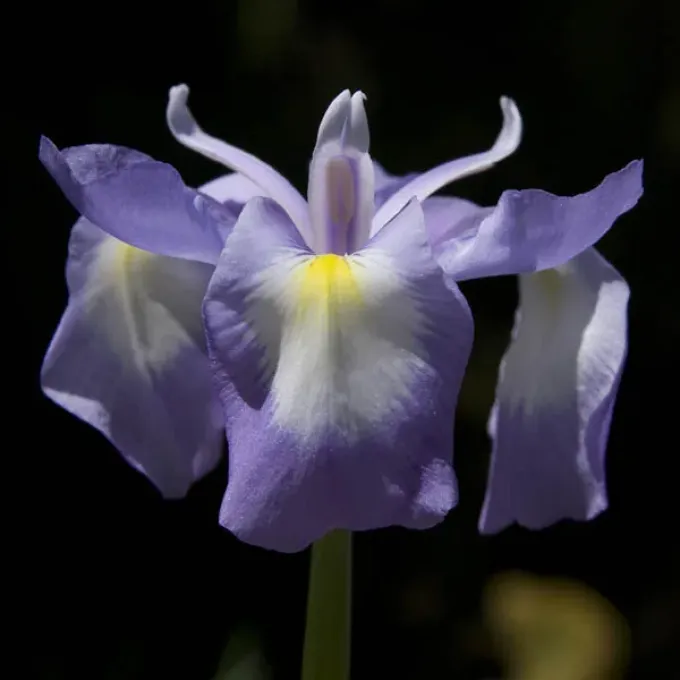
Description
Sowing dates
Planting Iris cycloglossa requires careful consideration of its bulbous nature. The optimal time for planting is during the late summer or early autumn, typically from August to September, allowing for root establishment before the onset of winter.
For seed propagation, stratification is necessary for germination. Seeds should be sown in containers with well-draining soil and kept in a cool environment for several months to simulate natural seasonal changes.
Bulbs should be planted at a depth of 5 to 8 centimeters. In looser soils, deeper planting is advised to protect the bulbs from fluctuating soil temperatures and frost damage during winter months.
Proper spacing is crucial for the health of the plant. A distance of at least 15–20 centimeters between bulbs ensures sufficient airflow, which significantly reduces the risk of fungal infections within the foliage.
It is recommended to use only disease-free bulbs. Treating the bulbs with a mild fungicidal solution before planting can act as a preventive measure against soil-borne pathogens often encountered in agricultural settings.
Growing requirements
Iris cycloglossa is a member of the Iridaceae family and thrives in conditions mimicking its native habitat in Afghanistan. The plant requires full sunlight exposure throughout the day to ensure optimal growth and flower development.
The culture demands excellent drainage. It prefers sandy or loamy soils with a neutral to slightly alkaline pH level. Soils that retain excess moisture can be fatal to the bulbs, often leading to rapid decay during the dormancy period.
Watering requirements follow a strict seasonal pattern. During the active growing phase in spring, the soil should be kept moderately moist, but once the foliage dies back in summer, the soil must be kept dry to allow the bulbs to enter dormancy.
The plant performs best in regions with distinct climatic cycles. In areas with high winter rainfall, it is often necessary to lift the bulbs and store them in a cool, dry place to prevent rot during the dormant stage.
Fertilization should be handled with caution. High-nitrogen fertilizers are discouraged as they can promote excessive succulent growth, making the plant more susceptible to diseases and reducing its natural hardiness.
Main diseases and pests
Fusarium wilt is the most significant threat to Iris cycloglossa, particularly in environments where soil moisture remains high. Improving soil aeration and drainage is the primary defense strategy against this disease.
Bacterial soft rot is another common issue, often occurring when bulbs are damaged or planted in soil with poor circulation. Keeping the planting site clean and removing debris is essential for long-term health.
Pests such as onion flies and thrips pose a risk by feeding on the foliage and sap. Systemic insecticides are recommended for early spring treatment to protect the emerging shoots from initial infestations.
Slugs and snails can cause mechanical damage to leaves, especially during wet springs. Using physical barriers like crushed shells or specific molluscicides can mitigate this damage effectively.
Nematodes can cause significant underground damage, leading to stunted growth. Crop rotation is the most effective cultural practice to ensure that the same site is not repeatedly used for Iris species to prevent soil fatigue and pest buildup.