
Bamboo iris
Iris confusa
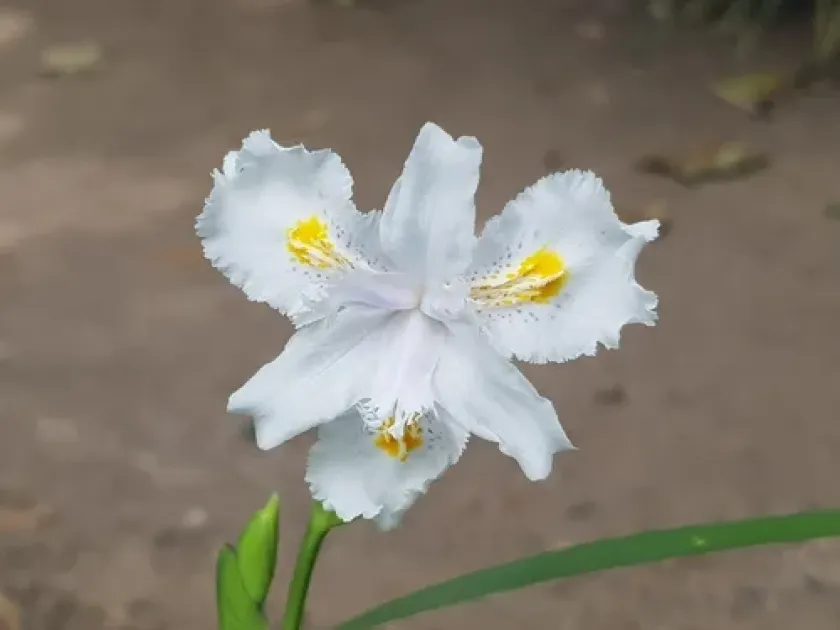
Description
Growing requirements
The Bamboo iris (Iris confusa) is a striking member of the Iridaceae family, originating from the woodland regions of southwestern China. Unlike many common irises, this species grows tall, bamboo-like stems that bear terminal fans of evergreen foliage.
This species thrives in partial shade conditions, making it an excellent candidate for woodland gardens. It requires soil that is rich in organic matter, consistently moist, but exceptionally well-draining to prevent the rhizomes from rotting.
Cultural requirements involve protection from intense afternoon sun, which can scorch the delicate leaves. In native habitats, it enjoys high atmospheric humidity, so mulch application is recommended to maintain soil moisture around the root zone.
Regarding climate, Iris confusa is tender and generally hardy to USDA zones 8 and 9. In colder regions, gardeners must provide significant winter protection or cultivate the plant in containers that can be moved to a frost-free greenhouse or conservatory.
In landscaping, it is used for its unique architectural form and ability to colonize large shady areas. It provides a tropical aesthetic in temperate garden settings, especially when planted in groups to create a lush, textured groundcover.
Main diseases and pests
The primary threats to the health of Iris confusa are fungal pathogens, particularly soft rot of the rhizomes. This often occurs when the plant is grown in overly heavy, damp soil without adequate drainage, leading to rapid tissue decay.
Slugs and snails are the most prominent invertebrate pests, often grazing on the lush foliage during damp weather. Using physical barriers like crushed eggshells or copper tape around the plantings is a recommended management strategy.
Aphids can occasionally colonize the tender flower buds, stunting their development and reducing the quality of the display. If infestations are observed, they can be treated with insecticidal soaps or diluted neem oil solutions.
Leaf spot diseases, often triggered by poor air circulation, can occur if plants are placed too close together. Ensuring proper spacing between clumps promotes airflow, which is critical for keeping the leaves dry and disease-free.
Maintaining a clean growing environment by removing dead or decaying foliage at the end of the season significantly reduces the risk of overwintering pathogens. Proactive monitoring is key to keeping the bamboo iris in optimal condition.