
Iris clarkei
Iris clarkei
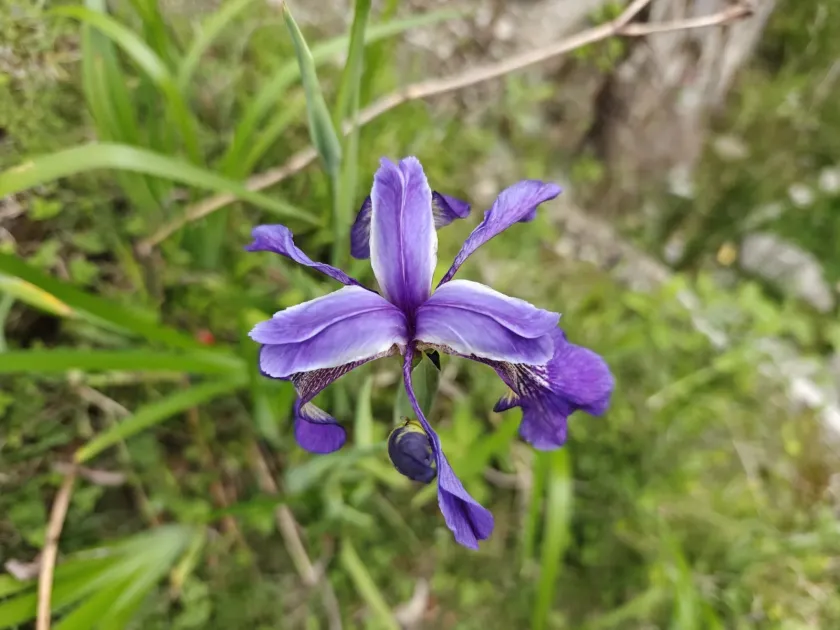
Description
Sowing dates
Propagation of Iris clarkei is best achieved through seed sowing in autumn or by rhizome division. Seeds require natural cold stratification to break dormancy, making outdoor sowing before winter the most successful method.
Division of established clumps is recommended during the dormant phase, typically in early spring or immediately after flowering. Each division must contain a healthy section of the rhizome and active growth buds.
When sowing seeds, use a moist, well-draining seed-starting mix. The seeds should be covered lightly with soil and kept consistently moist until germination occurs in the following spring.
Young seedlings should be transplanted into containers or nursery beds before moving to their permanent location. This practice allows them to develop a stronger root system before competing with mature plants.
Spacing is crucial for the health of these irises; providing adequate room for air circulation helps prevent the development of fungal pathogens common in moist environments.
Growing requirements
Iris clarkei belongs to the Iridaceae family and is native to the Himalayan region. It is a moisture-loving perennial that thrives in wet meadows, marshes, and alongside water features.
The plant requires consistently moist soil rich in organic matter. Unlike many other iris species, Iris clarkei does not tolerate drought and will quickly decline if its root zone dries out completely.
Ideal soil pH for this species is neutral to slightly acidic. Incorporating compost or leaf mold into the planting area provides the necessary nutrients and helps the soil retain moisture.
This species is highly cold-hardy, making it suitable for temperate climates. It prefers sunny positions but benefits from light shade in regions with particularly intense afternoon sun.
Regular irrigation is essential during dry spells. Mulching with organic material helps maintain an even soil temperature and prevents the surface from drying out too quickly during summer heat.
Main diseases and pests
The primary threats to Iris clarkei are fungal issues, particularly root and rhizome rot, which are often exacerbated by poor drainage and excessive stagnant water around the crown.
Pests such as iris borers or aphids can target the foliage and developing buds. Regular monitoring and physical removal of pests are often effective in small garden settings.
To prevent disease, ensure that the crown of the plant is not buried too deeply in the soil. Proper site selection with good drainage is the most effective preventative measure.
If fungal infections appear as spots on the foliage, remove the affected leaves immediately and destroy them to prevent the spores from spreading throughout the planting bed.
While chemical controls are available, they should be used sparingly and only when cultural practices fail to control an infestation, ensuring the safety of beneficial garden insects.