
Gold-veined iris
Iris chrysographes
Description
Growing requirements
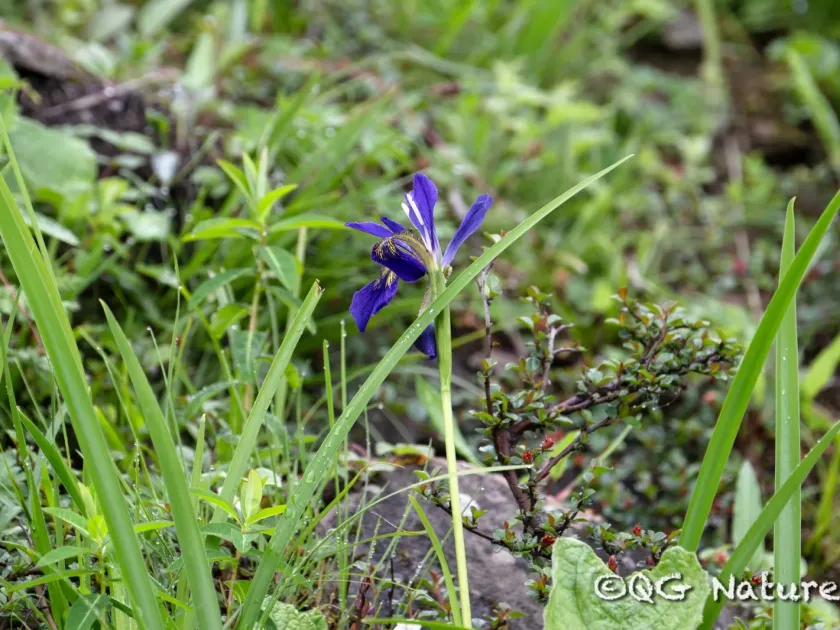
The Gold-veined iris (Iris chrysographes) belongs to the Iridaceae family and is native to the southwestern regions of China and Myanmar. This species is highly valued for its striking dark violet-to-black velvet flowers featuring delicate golden streaks.
This crop thrives in moist, humus-rich soil with a neutral to slightly acidic pH. It is an excellent choice for bog gardens, pond margins, or areas that remain consistently damp throughout the growing season, mimicking its natural mountain meadow habitat.
Gold-veined iris performs best in full sun but can tolerate partial shade in warmer climates to prevent leaf scorch. It is cold-hardy, yet providing a mulch layer in winter is recommended in regions with extremely low temperatures and little snow cover.
Basic agronomic practices include routine fertilization with balanced plant food in spring and ensuring the root zone does not dry out. Unlike bearded irises, this species requires high levels of moisture to maintain its health and vibrant floral display.
In landscaping, this iris is widely used for architectural interest in water-side planting schemes and moist garden borders. Its compact clumping habit makes it a low-maintenance, long-lived perennial that thrives when left undisturbed for several years.
Main diseases and pests
Common pests include iris thrips and aphids, which can damage emerging buds and foliage. Regular inspection and the application of targeted insecticides or horticultural soaps are effective methods for maintaining plant vigor.
Heterosporium leaf spot is the most frequent fungal issue, particularly in humid or stagnant conditions. Management strategies involve improving air circulation and removing any foliage showing early signs of infection to stop the spread of spores.
Bacterial soft rot can occur if the soil lacks proper drainage or if the rhizomes are damaged by pests or tools. Ensuring a well-drained planting site and maintaining hygiene during division are essential for preventing this fatal condition.
Rust may appear during seasons with fluctuating humidity, requiring the use of copper-based fungicides to keep the infection under control. Maintaining healthy soil nutrition helps the plant develop natural resistance to environmental stressors.
Cultural practices such as autumn cleanup, where all dead foliage is cut back and removed, are vital for disease prevention. By eliminating the overwintering sites of pathogens, growers can significantly reduce the pressure of pests and diseases in the following spring.