
Caucasian iris
Iris caucasica
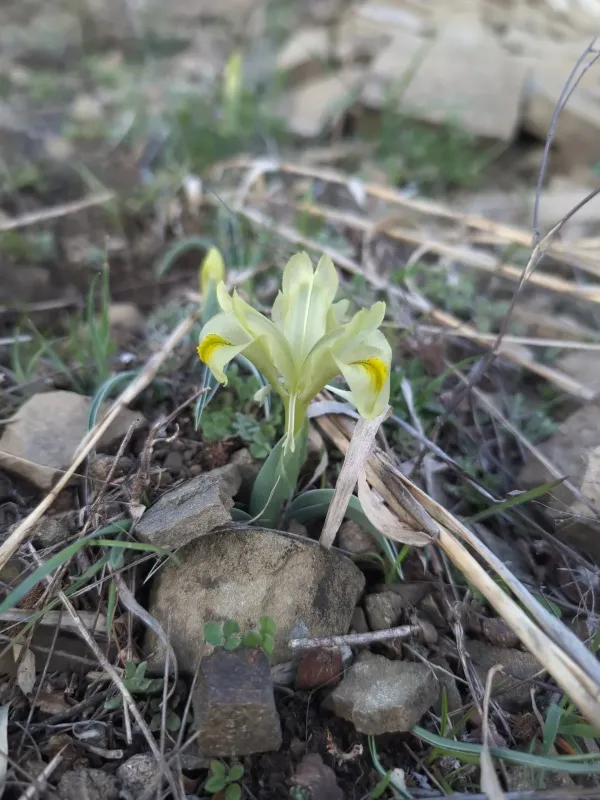
Description
Sowing dates
The Caucasian iris (Iris caucasica) is a bulbous perennial belonging to the Iridaceae family. Propagation typically involves seed sowing, which requires a period of cold stratification to break dormancy, making autumn the ideal time for sowing seeds directly into the soil or prepared nursery beds.
Planting of the bulbs should occur in late summer to early autumn, allowing the plants to establish a robust root system before the onset of winter frost. Proper spacing of 10 to 15 centimeters is essential to allow for natural bulb division and to prevent overcrowding in the flower bed.
When planting, the bulbs should be placed at a depth of approximately 8 to 12 centimeters. Adding a layer of sharp horticultural grit at the base of the planting hole is a highly recommended practice to ensure rapid drainage away from the bulb's basal plate.
In regions with heavy soil, amending the site with coarse sand or fine gravel is necessary to improve aeration. The bulb needs a well-drained medium; otherwise, the risk of rot during the dormant phase increases significantly, potentially leading to total loss of the planting material.
Once planted, the site should be marked clearly. Since the foliage dies back completely after the growing season, clear labeling prevents accidental digging or mechanical damage to the dormant bulbs during late-season garden maintenance.
Growing requirements
This species is native to rocky, mountain regions, which defines its preference for full sun and well-exposed locations. It thrives in sites with high light intensity, as shade often results in weak stems and poor flowering performance.
The ideal soil for this iris is calcareous, neutral, or slightly alkaline, reflecting its natural habitat. The substrate must be exceptionally well-drained, as the plant is highly sensitive to waterlogged conditions, particularly during its summer dormant period.
Water requirements are strictly seasonal: the plant needs moisture during the early spring growth spurt, but it demands completely dry soil throughout the summer dormancy period. High summer moisture, combined with heat, is the most common cause of bulb rot in cultivation.
Temperature control is naturally managed by the bulb's life cycle. While the plant is hardy and adapted to cold winters, it benefits from a dry winter dormancy. In areas with very wet winters, protective covers or frames may be necessary to keep the soil dry.
Minimal fertilization is required for this species. A light application of low-nitrogen, high-potassium fertilizer in early spring can support vigorous bloom production. Avoid heavy organic matter or high-nitrogen fertilizers, which can encourage fungal development and lush, weak growth.
Main diseases and pests
Bacterial soft rot is the most destructive disease for this species. It is typically triggered by excessive soil moisture and poor ventilation around the bulb. Once the bulb begins to soften and emit an unpleasant odor, it must be removed and destroyed immediately.
Fusarium wilt is another significant threat, often affecting the root system and causing premature yellowing of the leaves. Sanitation, including the regular removal of plant debris and disinfection of tools, is crucial for preventing the spread of spores in the garden.
Soil-borne pests such as wireworms and the larvae of the cockchafer can cause severe damage by feeding on the base of the bulbs. Using soil-applied granular insecticides or organic biological control methods is advised in areas with high pest pressure.
Aphids can be problematic during the active spring growth phase, particularly on developing flower buds. Prompt application of insecticidal soap or systemic insecticides can prevent severe infestations and maintain the aesthetic quality of the blooms.
Slugs and snails are notorious for feeding on the fresh, succulent foliage early in the season. Utilizing physical barriers such as copper tape or scattering iron phosphate-based baits around the iris clump effectively protects the foliage from being devoured.