
Bulley iris
Iris bulleyana
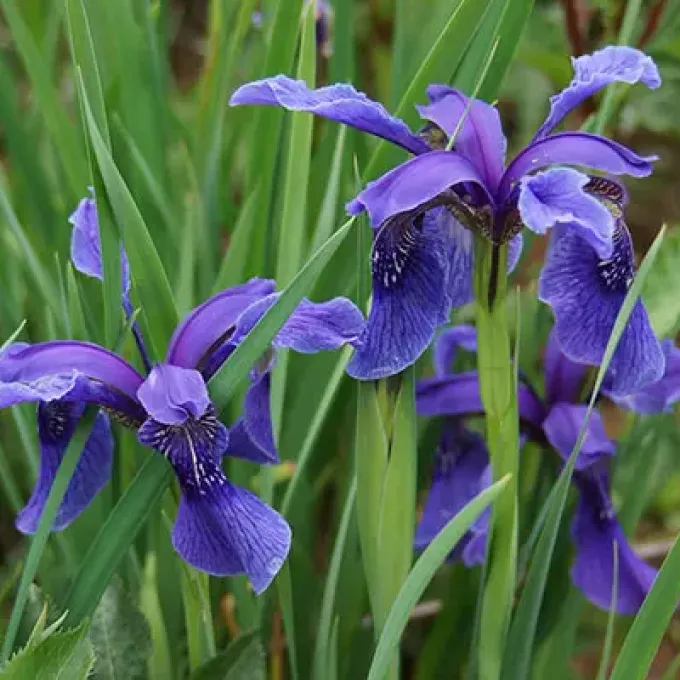
Description
Sowing dates
Propagation of Iris bulleyana is most effectively carried out via seeds or by division of the rhizomes. Seeds are best sown in open ground during the autumn, allowing them to undergo natural stratification throughout the winter period.
If sowing in the spring, seeds require pre-stratification in a refrigerator for one to two months. This process significantly improves germination rates and ensures more uniform emergence of the seedlings.
When dividing mature clumps, the procedure should be performed in late summer or early autumn after the plant has finished blooming. Each division must have a well-developed root system and at least 2–3 vegetative buds to ensure rapid establishment.
The sowing depth for seeds should be approximately 1–2 centimeters. It is essential to maintain consistent soil moisture during the germination phase, avoiding both waterlogging and complete drying out of the substrate.
Young plants grown from seeds typically reach the flowering stage in their second or third year. During the first growing season, it is recommended to provide partial shade during the hottest hours to assist with adaptation.
Growing requirements
The Bulley iris belongs to the Iridaceae family and is a perennial herbaceous plant. Its natural habitat includes the mountain regions of China, where it thrives in cool climates with consistent levels of ambient moisture.
To ensure successful growth, the plant requires sunny or semi-shaded locations with excellent air circulation. It prefers moist, well-drained soils rich in organic matter, with a neutral to slightly acidic pH level.
The species exhibits high cold hardiness, making it suitable for landscape design in temperate climate zones. Avoid planting in heavy clay soils where moisture stagnation may occur, as this is detrimental to the plant's rhizome health.
During the active growth and flower spike formation period, regular irrigation is required. In hot summer months, mulching around the root zone is recommended to conserve soil moisture and prevent overheating.
Apply balanced mineral fertilizers in the early spring at the start of the growing season. It is advised to avoid excessive nitrogen application, which can lead to lush foliage growth at the expense of floral development and increase disease susceptibility.
Main diseases and pests
The primary threats to this species are fungal infections, such as leaf spot (heterosporiosis), which manifests as brown lesions on the foliage. Regular treatment with copper-based fungicides is recommended to manage these outbreaks.
Under conditions of excessive soil moisture, rhizomes are susceptible to bacterial rot. If signs of rot are detected, affected areas should be excised to healthy tissue and the cuts treated with an antiseptic or wood ash.
Among pests, the iris fly is particularly damaging, as it targets the plant's flower buds. Preventive applications of insecticides during the budding phase can effectively protect the developing blooms.
Thrips and leaf nematodes are also potential pests for Iris bulleyana. Damaged plant parts must be promptly removed and disposed of to prevent the spread of pest populations throughout the garden.
Good agricultural practices, including proper spacing and disciplined irrigation, serve as the most effective defense against common diseases. Routine sanitary removal of plant debris helps to lower the overall pathogen pressure.