
Bukhara Iris
Iris bucharica
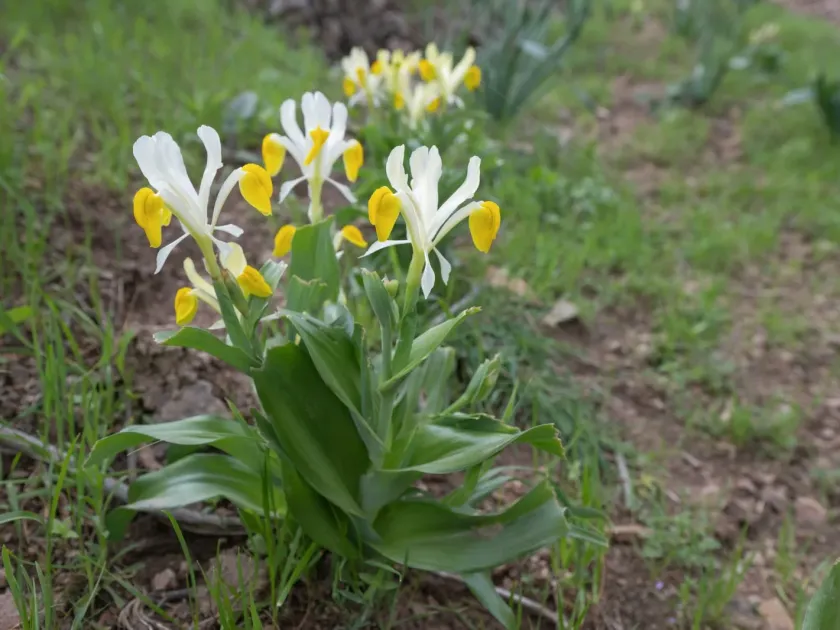
Description
Sowing dates
The Bukhara iris belongs to the group of bulbous irises, so its propagation and planting are carried out by placing bulbs into the soil. The optimal time for planting is the autumn period when the soil temperature drops to about 10 degrees Celsius.
It is essential to select sites that are not prone to standing meltwater, as excessive humidity during the dormancy period can provoke rot at the base of the bulb. The planting depth should be approximately 10–12 centimeters, depending on the bulb size.
For vegetative propagation, daughter bulbs are separated from the mother plant after the foliage has completely turned yellow, which usually happens in mid-summer. The planting material should be stored in a dry, well-ventilated area until autumn planting.
Seed propagation is primarily used by breeders, as young plants take three to four years to bloom. Seeds are sown before winter in open ground or in containers to ensure a proper stratification period.
Planting density is calculated based on aesthetic goals, but for the optimal development of the root system, a spacing of 15–20 centimeters between plants is recommended.
Growing requirements
This species of iris originates from the mountainous regions of Central Asia, which determines its high requirements for light and drainage. The plant prefers sunny areas protected from strong winds, where the soil warms up quickly after the snow melts.
The culture thrives best in light, permeable loamy or sandy soils with a neutral to slightly alkaline pH. Heavy clay soils require the mandatory addition of loosening agents such as coarse sand or fine gravel.
During the active growth period in spring, the Bukhara iris needs moderate but regular watering; however, once flowering ends and the plant enters dormancy, watering should be stopped completely. Excessive nitrogen fertilization during this time is highly undesirable.
The plant possesses good winter hardiness, but in regions with harsh, snowless winters, light mulching with dry peat or spruce branches is recommended. This helps prevent sudden temperature fluctuations that are dangerous for the dormant bulb.
An important factor for success is the annual rotation of planting sites or the renewal of the substrate, as the plant quickly depletes the available mineral nutrients in the immediate root zone.
Main diseases and pests
The main threat to the culture is fungal diseases of the root system, which arise due to waterlogging and poor drainage. Fusarium is the most dangerous, leading to rapid softening and death of the bulb.
Pests such as cutworms and iris flies can damage leaves and buds during the active growing season. Preventive spraying with systemic insecticides at the start of spring growth is used for control.
Bacterial rot (soft rot) often develops due to improper horticultural practices and mechanical damage to the bulbs. Affected specimens must be removed from the site immediately to prevent the pathogen from spreading to neighboring plants.
Disease prevention includes mandatory bulb treatment with fungicides before planting. It is also recommended to avoid overcrowded plantings, which promote moisture retention and the development of pathogenic bacteria.
Regular inspection of the beds in springtime allows for the timely detection of growth suppression signs and helps to isolate diseased specimens. Maintaining crop rotation and site cleanliness are key elements in protecting this culture.