
Zigzag iris
Iris brevicaulis
Description
Sowing dates
The best time to plant the zigzag iris is in late summer or early autumn, specifically from late August through September. This timing allows the rhizomes to establish a strong root system before the onset of winter dormancy.
Propagation is most effective through rhizome division. Ensure that each division contains a healthy portion of the rhizome, vibrant roots, and at least two or three vegetative buds to guarantee successful growth in the following season.
If growing from seeds, they require a period of cold stratification. Sowing them directly into the soil in late autumn mimics natural conditions, allowing the seeds to germinate once the temperatures rise in the spring.
When transplanting, space the rhizomes approximately 30-40 centimeters apart. As this species spreads efficiently, spacing allows the plant to form attractive clumps without overcrowding, which helps maintain plant vigor over several years.
Plant the rhizomes shallowly, with the top of the rhizome visible or just barely covered with soil. Deep planting often results in poor flowering and an increased risk of rot, which is particularly detrimental in wet environments.
Growing requirements
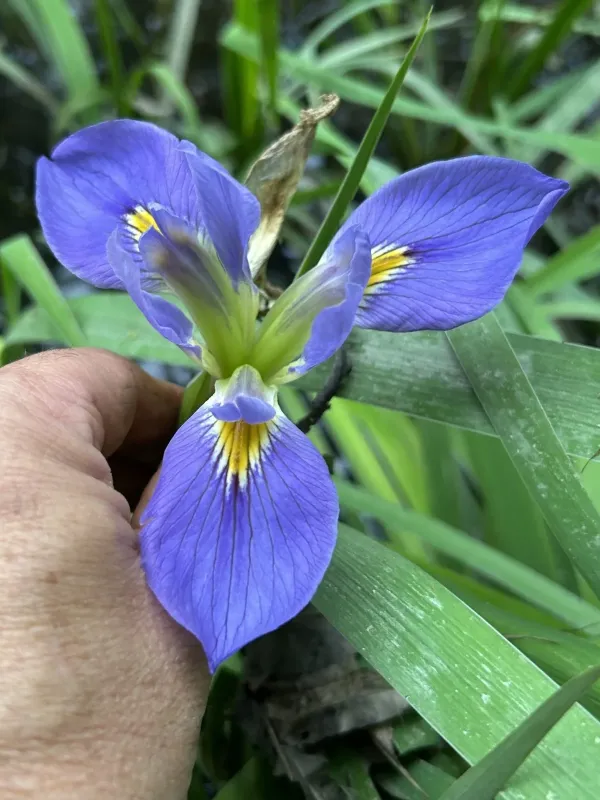
The zigzag iris (Iris brevicaulis), a member of the Iridaceae family, is native to the marshy woodlands and swamps of North America. Unlike most bearded irises, this species thrives in consistently moist, well-draining soil.
The plant prefers rich, acidic to neutral soil that is high in organic matter. While it is highly adaptable, it struggles in dry conditions and requires a reliable water source, making it an excellent candidate for rain gardens or pond edges.
Partial shade is ideal for this iris, as it is naturally adapted to forest floors. It can handle more sunlight if the moisture levels are maintained, but intense, direct midday sun combined with soil dryness should be strictly avoided.
The stems of the zigzag iris have a distinct, zig-zag pattern and can reach up to 40 centimeters in height. Because these stems can be delicate, planting them in areas protected from strong winds is highly recommended.
This species is quite hardy, but in colder climates, a layer of mulch serves as excellent protection during winter. Mulching also helps retain soil moisture throughout the summer, creating an environment that closely mimics the plant’s natural habitat.
Main diseases and pests
Fungal diseases such as leaf spot are common if the foliage remains wet for extended periods in stagnant air. Ensuring adequate spacing between plants significantly improves airflow and reduces the risk of leaf blight.
Rhizome rot, often caused by poor drainage or excessive soil moisture during high temperatures, is the most significant threat. If rot is detected, the affected sections should be pruned away, and the remaining healthy rhizome should be treated with a fungicide.
The iris borer is a primary insect pest that can tunnel into the rhizomes, causing severe damage. Monitoring for early signs of infestation, such as notched leaves, is crucial for implementing timely control measures.
Aphids and spider mites may occasionally infest the plants, particularly during hot and dry spells. Regular inspection of the undersides of leaves and using gentle insecticidal soaps can help keep these pest populations under control.
Sanitation is key to managing threats; remove and destroy any infected foliage in the autumn. Keeping the garden bed clean and maintaining proper water levels are the best defenses against both diseases and common garden pests.