
Dark purple iris
Iris atropurpurea
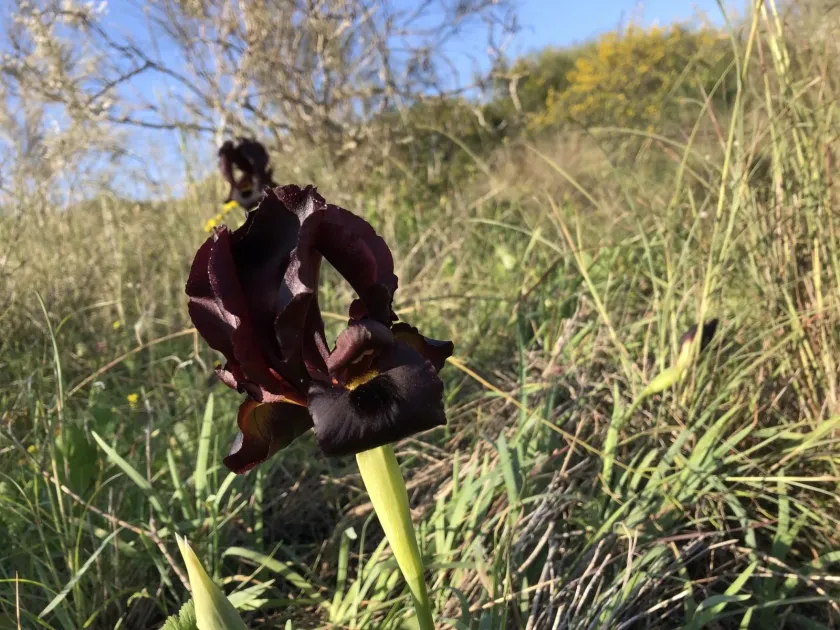
Description
Sowing dates
The Dark purple iris (Iris atropurpurea) is a member of the Iridaceae family. This perennial herb naturally propagates through seeds or rhizome division. In agricultural settings, seeds are typically sown in the autumn to benefit from winter stratification.
The optimal time for planting rhizomes is at the end of the growth cycle, as the plant enters a dormant phase. This allows the roots to establish sufficiently before the onset of the colder winter season.
When propagating via seeds, growers must account for the long dormancy period of the species. Seeds should be sown in a light, sandy substrate at a depth of about 2 to 3 centimeters, maintaining consistent moisture levels.
Scarification or the use of growth stimulants can help accelerate the germination process. Careful management of soil moisture during the initial development phase is critical for achieving high-quality seedlings.
To ensure healthy development, maintain adequate spacing between individual plants, ideally around 25 to 30 centimeters. This density promotes optimal nutrient uptake and ensures good airflow to prevent fungal issues.
Growing requirements
As an endemic species of coastal sand dunes and curkar ridges in Israel, this iris is specifically adapted to Mediterranean climates. It thrives under conditions characterized by warm, dry summers and mild, moist winters.
The primary soil requirement is excellent drainage. Sandy or sandy-loam soils are ideal, as they prevent water accumulation in the root zone. Poor drainage is the most significant limiting factor for successful cultivation.
Full sun exposure is essential for the Dark purple iris. Inadequate sunlight leads to etiolation, weakened stems, and significantly reduced flowering intensity, which diminishes the plant's overall vitality.
The plant is relatively cold-hardy but can suffer from severe frost damage if temperatures drop significantly below freezing for extended periods. Protective mulching is recommended in regions with harsher winter climates.
Soil pH should remain near neutral or slightly alkaline. Nutrient management should focus on balanced mineral fertilizers, avoiding excessive nitrogen, which can lead to soft, susceptible tissues and poor flower production.
Main diseases and pests
Root rot is the most destructive disease affecting Iris atropurpurea, primarily triggered by excessive soil moisture and poor aeration. Once the rhizome tissues are compromised, the decline is often rapid and irreversible.
The iris fly is a common insect pest that lays eggs in the developing flower buds. The feeding larvae destroy the floral organs, causing bud blast and preventing the plant from blooming successfully.
Bacterial soft rot can occur if there is mechanical injury to the rhizomes during cultivation. Providing a clean environment and disinfecting tools between operations are critical preventive measures for this condition.
Thrips are prevalent during dry spells, causing significant damage by sucking sap from foliage. This leads to leaf discolouration, curling, and a general reduction in the plant's photosynthetic capacity.
Effective pest management relies on a combination of cultural practices, such as removing infected debris, and the targeted application of fungicides and insecticides as part of an integrated plant protection program.